
Travel Insurance for Malaysia: Costs & Coverage Explained
A practical guide for international visitors, from affordable outpatient care to choosing a policy that fits your trip.

A trip to Malaysia might begin with a few nights in Kuala Lumpur, continue through Penang’s food-filled streets, and finish on an island beach. Choosing travel insurance means thinking about that whole journey: the flights you have paid for, the activities you want to try, and how you would handle a medical bill away from home.
Malaysia has an established healthcare sector, and paying for a straightforward outpatient visit can be surprisingly manageable for visitors spending US dollars, euros, or British pounds. That makes the insurance decision more practical: compare the cost of dealing with a minor illness yourself with the financial help you would want for a hospital admission, an interrupted trip, or medical transport home.
This guide is for international visitors traveling to Malaysia. Start with your country of residence, then choose coverage that fits your itinerary and medical circumstances.
Do you need travel insurance to enter Malaysia?
For a typical short tourist visit, travel insurance is generally a personal protection choice. Malaysia removed its COVID-19 insurance entry prerequisite on May 1, 2022, according to the Immigration Department’s announcement. Older reopening articles still circulating online can give a different impression.
Check the entry rules for your passport and visa category before departure, including passport validity, visa eligibility, and the Malaysia Digital Arrival Card where applicable. For example, the current UK government checklist for British visitors covers travel documents and arrival requirements without listing a general travel insurance requirement. Longer stays, employment, and study can involve separate conditions.
Our recommendation is to arrange suitable coverage before leaving home. The UK’s Malaysia health guidance recommends both travel health insurance and accessible funds for treatment and repatriation.
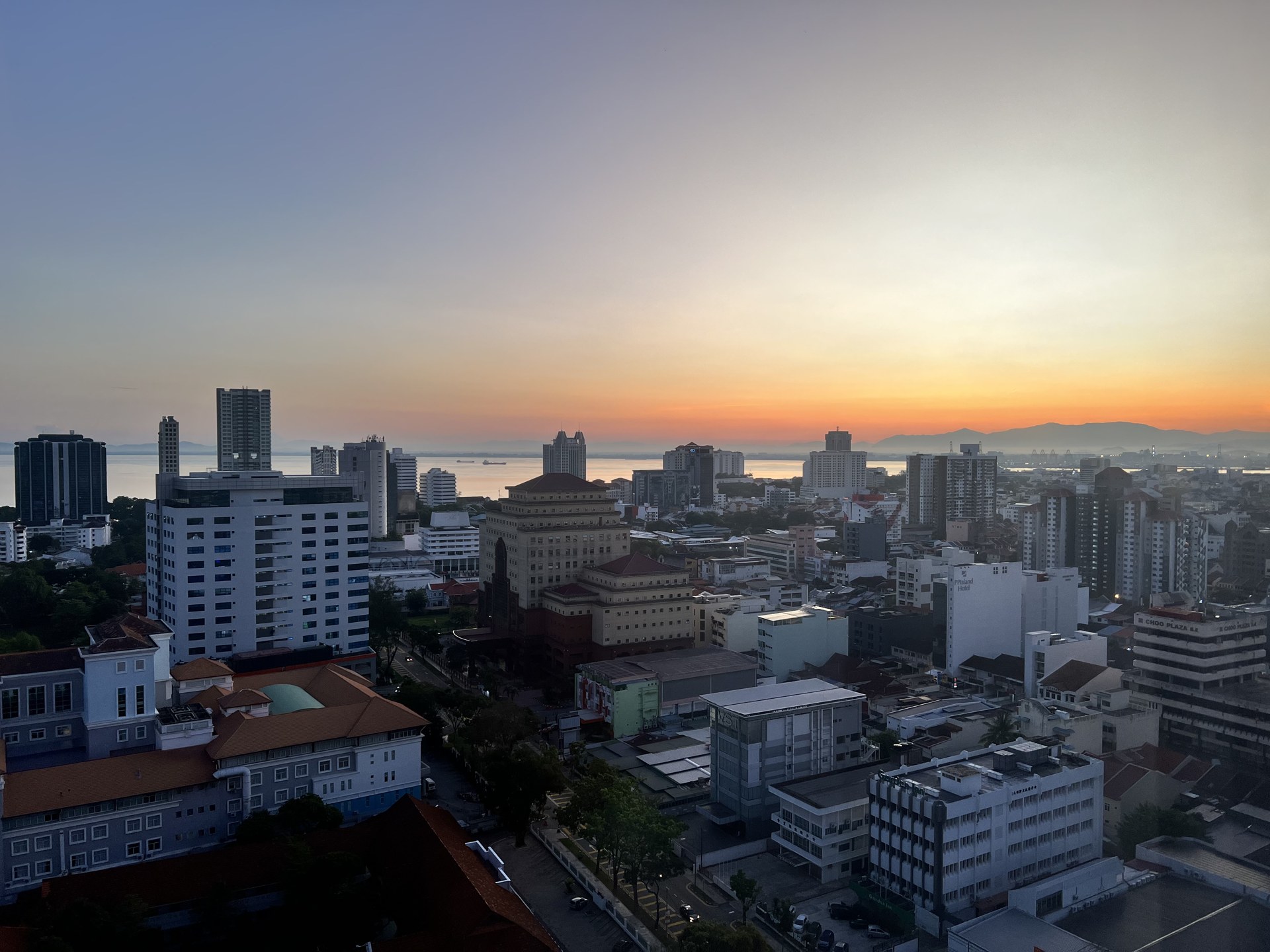
Malaysia’s healthcare is a real advantage for visitors
Malaysia’s reputation as a medical travel destination rests on a combination of established hospitals, specialist services, and competitive costs. The Malaysian Investment Development Authority highlights affordable, high-quality care and a sector supported by public and private providers. Accreditation frameworks used in the sector include Joint Commission International and the Malaysian Society for Quality in Health.
For a traveler, the useful question is which facility suits the care needed. Look at the hospital’s current accreditation, available specialties, location, and your insurer’s assistance arrangements. A clinic visit for a minor problem and a specialist hospital admission involve very different services and bills.
Can you pay cash for outpatient treatment?
Yes—self-paying for an outpatient consultation can be a practical option. Visitors budgeting in USD, EUR, or GBP may find a basic consultation affordable, particularly compared with their overall vacation budget. Ask for the consultation charge and an estimate for any tests, medication, or procedures before agreeing to nonurgent treatment.
For a concrete reference, Malaysia’s Ministry of Health publishes the following government-facility service fees for foreign patients:
| Government service | Published fee per visit |
|---|---|
| General outpatient visit at a hospital or health clinic | RM40 |
| Specialist outpatient visit | RM120 |
| Hospital emergency department | RM100 |
Source: Ministry of Health: fees for foreign patients. These are published government service fees, rather than a quote for the entire treatment episode or a private clinic’s prices. Investigations and treatment may carry additional charges; the ministry’s medical charging guide explains separate charges.
Private clinics and hospitals set their own applicable prices. Request a written estimate if cost matters to your decision, and compare the final bill with your policy’s deductible—the portion you pay yourself. Keep the itemized receipt and doctor’s documentation even when you pay at the counter.
Access to funds still matters when you have coverage. Australia’s Malaysia travel advice warns that hospitals can require upfront payment and that government hospitals require a deposit even from insured patients. Ask your assistance provider whether it can arrange a payment guarantee with the treating hospital.
Choose a policy that accepts your country of residence
Start with the insurer’s eligibility questions: your country of residence, where your journey begins, your age, and whether you have already departed. Select Malaysia as a destination and include every other country on the same trip.
Use the country-of-residence definition in the policy. Citizenship and residence can differ: a British citizen living in Germany, for example, should follow the insurer’s residence rules when requesting a quote.
| Your situation | What to compare first | Question to resolve |
|---|---|---|
| A fixed vacation with prepaid flights and hotels | Comprehensive single-trip policies available in your home market | Does the cancellation limit cover your nonrefundable bookings? |
| A longer journey through several countries | Long-stay or travel medical policies | Are every destination and the full trip duration eligible? |
| Already overseas | Policies explicitly accepting purchase after departure | When does coverage actually begin? |
| Existing medical conditions | Policies offering relevant screening or an applicable waiver | Has the insurer accepted your circumstances in writing? |
| Diving, mountain trekking, or scooter riding | Activity-specific terms and optional coverage | Are your activity, qualifications, and equipment within the rules? |
Where to start comparing insurance
Get quotes using the same ages, residence, dates, destinations, and trip cost. Compare the policy documents beside the premium. A useful shortlist may include a comprehensive insurer in your home country and an international travel medical provider, depending on the trip you are planning.
SafetyWing Nomad Insurance Essential
SafetyWing describes Essential as travel medical insurance and allows purchase while abroad. Its product page lists treatment for new, unexpected medical issues and certain travel benefits, making it an option to investigate for longer or flexible journeys. Confirm eligibility for your age and residence through the quote process.
Read the trip benefits individually if you have expensive prepaid bookings. Essential’s published coverage has specific limits and conditions, including an exclusion for pre-existing conditions. SafetyWing’s Complete product has a different scope, so compare the exact plan name on the documents you receive.
World Nomads
World Nomads offers country-specific policies and activity coverage. Enter your residence first to see the plans available to you. Its regional help pages describe buying while already overseas, with waiting periods in some markets. Check the current quote availability and the policy issued for your residence before relying on that feature.
An insurer in your home market
This is a useful starting point for a conventional round-trip vacation. Ask for Malaysia coverage, the full journey dates, and cancellation protection for your prepaid expenses. Compare the medical and evacuation sections separately from the baggage allowance.
Even one brand’s medical-condition rules can vary across markets. For example, Allianz Partners’ US site describes an existing-medical-condition benefit subject to eligibility requirements. The brand name alone tells you less than the specific policy offered where you live.
What should your Malaysia policy cover?
Use the following questions when reading quotes. They turn a long benefits table into decisions about your own trip:
- Emergency medical treatment: What are the overall limit, outpatient limit, and deductible? How are illness and accidental injury defined?
- Hospital admission: Who should you contact, and can the assistance team arrange direct payment?
- Medical evacuation and repatriation: Who authorizes transport, where can you be taken, and is returning home medically covered?
- Cancellation and interruption: Which reasons qualify, and how much of your nonrefundable spending could be reimbursed?
- Delays and missed connections: What waiting period applies, and what evidence will the insurer request?
- Baggage and electronics: What is the per-item limit, and what rules apply to valuables or unattended bags?
The UK government’s travel insurance guidance is a useful reference for these coverage categories. Match the answers to your bookings: a short city break, a month of island travel, and a prepaid luxury itinerary expose you to different expenses.
For existing conditions, explain your diagnoses, medication, recent symptoms, and pending tests wherever the application asks. Save the insurer’s acceptance and any additional terms with the policy. For a trip specifically arranged for treatment, seek coverage designed for medical travel and ask about complications and follow-up care.
Match the policy to what you plan to do
Scooters and motorcycles
Before renting, ask about the required license, vehicle category, engine-size restrictions, helmet rules, and coverage as a passenger. SafetyWing’s published motor-accident wording, for example, refers to proper licensing, safety equipment, and intoxication conditions. Confirm separately what the rental agreement covers for damage to the vehicle and injury to other people.
Diving and snorkeling
For a diving trip, give the insurer your planned depth, certification level, and whether you will dive with an instructor. Ask specifically about decompression treatment and evacuation. World Nomads’ diving guidance illustrates why the selected activity and policy terms matter. Keep your dive operator’s emergency arrangements with your insurance information.
Hiking and remote excursions
Give the insurer the actual route or destination, maximum elevation, and whether the activity involves technical climbing. For island stays and remote excursions, ask how search, rescue, and medical transport are treated. Check your government’s advice for the precise destination: the UK currently advises against all but essential travel to parts of Malaysia, and traveling against applicable advice may affect insurance validity.
Can you buy insurance after arriving in Malaysia?
Some providers accept travelers who have already started their journey. Tell the insurer you are overseas, enter your actual departure date when requested, and check the effective date and time on the certificate.
For example, World Nomads’ rest-of-world help page describes a 72-hour waiting period for purchase while away. Other regional policies can differ. Ask how any symptoms, incidents, or losses that occurred before coverage began will be handled.
If you are still planning your trip, buying after your first significant nonrefundable booking gives you the opportunity to arrange cancellation protection early. Check its start date and covered reasons. If your itinerary changes, contact the insurer before the policy expires and confirm that an extension has been accepted.
If you need treatment during your trip
Save your policy number, assistance contact, and certificate offline before traveling. Share them with your travel companion. For urgent care, seek medical help promptly; contact the assistance team as soon as reasonably possible.
For a routine outpatient visit, ask the clinic for an itemized bill, receipt, and medical report or diagnosis. For an admission or proposed transfer, involve the insurer’s assistance team early so it can explain authorization and payment arrangements. Keep copies of correspondence and the claim reference.
For travel disruption, collect the airline’s written explanation, revised itinerary, and receipts for additional expenses. Report baggage problems to the airline or relevant authority promptly and follow the reporting deadlines in your policy. The government claims guidance explains why supporting records matter.
A practical way to choose
Start with three numbers: the amount you have paid in nonrefundable bookings, the medical deductible you could comfortably pay, and the coverage limits offered for major medical care and transport. Then check eligibility, existing conditions, and planned activities.
Malaysia’s accessible healthcare makes a minor outpatient visit easier to budget for. A well-chosen policy adds support for the larger bills and logistical problems that could interrupt the rest of your trip. Keep both the insurance details and a usable payment method within reach, then get back to planning where you want to go.
Researched October 24, 2026. Product examples are starting points for comparison; eligibility, benefits, and prices depend on the policy offered to you. Links above lead to official government or provider sources.
The conversation
Questions, tips & experiences.
Have a question about this guide, or a useful travel tip? Every comment is reviewed before it appears.
0 comments
Be the first to share a question or a helpful tip.