
Nepal · Journeys
Everest Base Camp Guide & Cost: Planning Your Trek in Nepal
What the trek really costs in 2026, how the permits and Lukla flights work, where to stay in Kathmandu, and a day-by-day route that gives you the best chance of standing at the foot of the world's highest mountain.
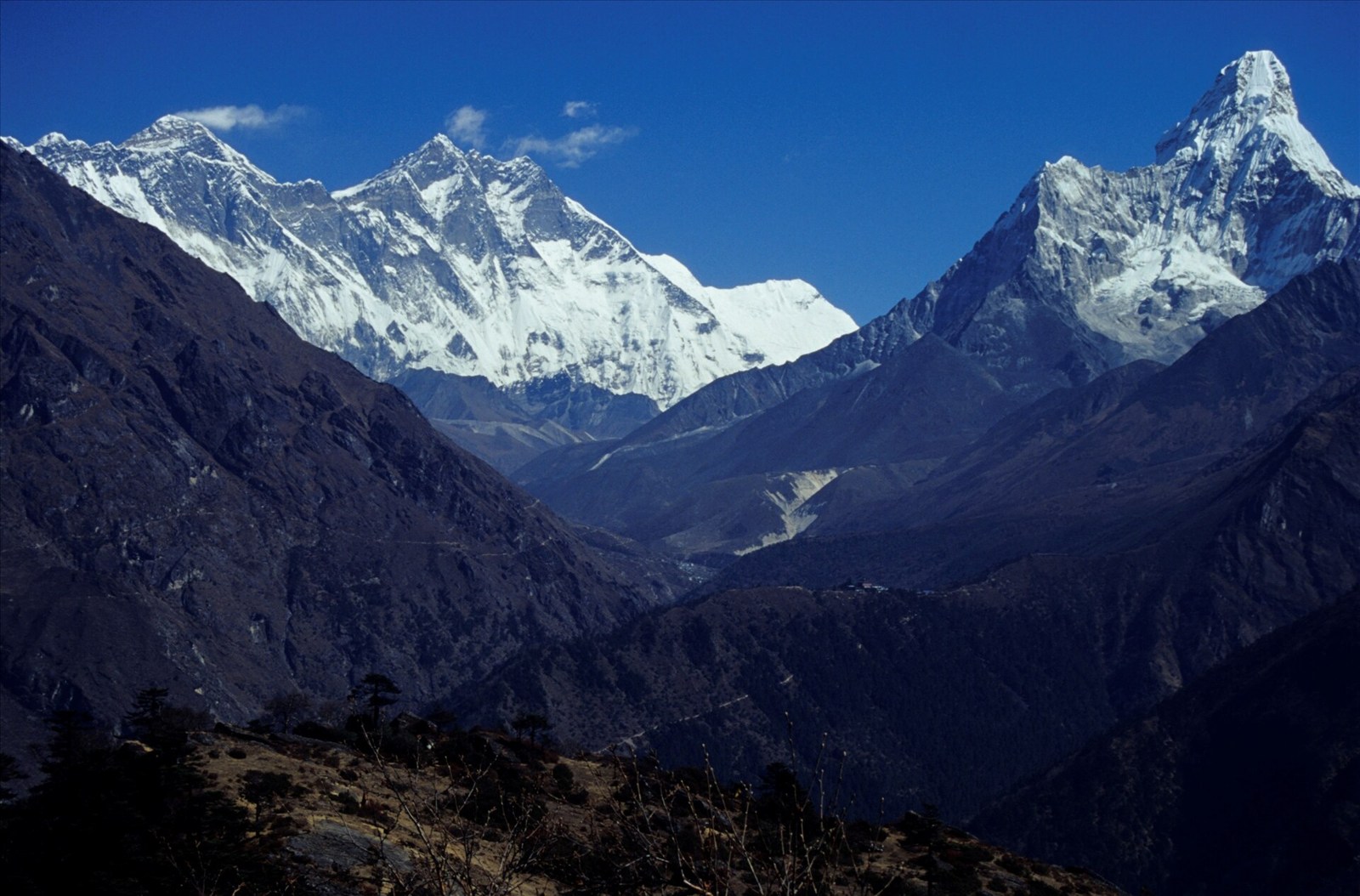

The plane drops toward a strip of tarmac that looks shorter than a high school running track. It tilts uphill. A wall of rock fills the cockpit window. Then the wheels hit, the engines roar, and the whole cabin lets out the breath it has been holding since Kathmandu.
That is how most Everest Base Camp treks begin. Not at a gentle trailhead, but with thirty minutes of nerves and a landing at Lukla that people still talk about years later.
What comes after is slower and, honestly, better. Eleven or twelve days of walking through Sherpa villages, over steel bridges strung with prayer flags, past monasteries where monks chant as the light goes. You eat dal bhat beside a stove burning dried yak dung. You lose your breath climbing stairs. And one cold morning, if the sky cooperates, you stand under the Khumbu Icefall at 17,598 feet with numb fingers and a grin you cannot get rid of.
This guide covers everything you need to plan that trip: what it costs in 2026, how the permits and flights work, how to get to Kathmandu from wherever you live, where to stay in Kathmandu, a day-by-day route, what teahouse life is really like, and how to stop the altitude from ending your trek early.
At a glance
Costs are shown in US dollars for comparison. Carry Nepalese rupees for trail purchases. Budget allowances and published prices are distinguished below, with sources reviewed on November 9, 2026.
When to go: the best time to trek to Everest Base Camp
If you can only pick one window, pick mid-October to late November. The monsoon has washed the dust from the air, the mornings are hard blue, and Everest, Lhotse and Ama Dablam look as sharp as they do all year.
Spring, from March to May, is a close second. It is a little hazier, but the forests below Tengboche turn red and pink with rhododendron. In April and May you also see Base Camp as a real camp, with a small town of yellow expedition tents waiting for a summit window.
| Months | What it feels like | Worth it? |
|---|---|---|
| Late Sep to Nov | Clear and dry, cold nights. Busiest trails and lodges. | Best overall |
| Dec to Feb | Very cold at night. Quiet trails; some high lodges close. | Good if you handle cold well |
| Mar to May | Warmer days, flowers lower down, climbing teams at Base Camp. | Excellent |
| Jun to Aug | Monsoon. Clouds hide the peaks, Lukla flights cancel often, muddy trails. | Only if you want solitude |
A note on autumn crowds. Busy really does mean busy. In late October 2026, a cyclone brought three days of rain and snow to the Khumbu and held hundreds of trekkers in Dingboche. When it cleared, they all set off on the same morning, and a local guide filmed a single-file line stretching toward Gorak Shep. Build spare days into your plan so one storm cannot undo the whole trip.
Flying to Kathmandu from the US, Europe, Asia and beyond
Every Everest trip starts at Tribhuvan International Airport (KTM) in Kathmandu. There are no nonstop flights from North America or Western Europe, so most travelers make one connection through a hub in the Gulf, Turkey, India or Southeast Asia. From the US, door to door usually takes 20 to 30 hours. From Europe, expect roughly 13 to 20 hours.
| Flying from | Best hubs | Airlines to check |
|---|---|---|
| US East Coast and Canada | Doha, Istanbul, Dubai, Delhi | Qatar Airways, Turkish Airlines, Emirates with flydubai, Air India |
| US West Coast | Bangkok, Hong Kong, Seoul, Singapore, Doha | Thai Airways, Cathay Pacific, Korean Air, Singapore Airlines, Qatar Airways |
| UK and Europe | Istanbul, Doha, Dubai, Abu Dhabi | Turkish Airlines, Qatar Airways, Emirates with flydubai, Etihad |
| Australia and New Zealand | Singapore, Kuala Lumpur, Bangkok | Singapore Airlines, Malaysia Airlines, Thai Airways |
| Southeast Asia | Nonstop from Kuala Lumpur, Singapore, Bangkok | Malaysia Airlines, Batik Air, Singapore Airlines, Thai Airways, Himalaya Airlines, Nepal Airlines |
| East Asia | Nonstop from Hong Kong, Seoul, Chengdu, Guangzhou | Cathay Pacific, Korean Air, Sichuan Airlines, China Southern |
| India | Nonstop from Delhi and several other cities | Air India, IndiGo |
A few things are worth knowing before you book:
- Doha is the workhorse. Qatar Airways flies Doha to Kathmandu several times a day, and Doha connects to most of North America and Europe. It is the easiest one-stop option from many cities.
- Istanbul suits Europe. Turkish Airlines flies Istanbul to Kathmandu most days of the week, and serves more European airports than anyone else. Some US travelers prefer it too.
- Delhi has the most flights. Air India and IndiGo run many daily flights to Kathmandu, which gives you backups if a connection goes wrong. Book Delhi on a single through ticket. If you buy two separate tickets, you may need an Indian visa to collect your bags and check in again.
- Points and status. Qatar Airways, Malaysia Airlines and Cathay Pacific are oneworld airlines. Turkish Airlines, Singapore Airlines, Thai Airways and Air India are Star Alliance. Pick the route that earns in the program you already use.
- Keep a backup hub in mind. Regional airspace closures can disrupt Gulf routings at short notice. If that happens, Bangkok, Delhi and Istanbul are the usual alternatives.
Check schedules for your exact dates, since frequencies change by season. Two things matter more than the fare. First, try to land in Kathmandu with at least one full day before your Lukla flight. Second, book a ticket home you can change, because Lukla weather delays are common and you may need to move your return by a day or two.
Most nationalities, including travelers from the US, Canada, the UK, the EU, Australia and Malaysia, can get a visa on arrival at Kathmandu. Indian nationals do not need a visa, and a few other countries have their own arrangements. A 30-day visa costs $50, which covers a standard trek with room to spare. The 15-day visa is $30 and the 90-day visa is $125. Bring clean US dollar notes, a passport photo and a passport valid for six months or more. You can fill in the arrival form online before you fly to shorten the queue.
Book the connection that protects the trek
A through ticket is worth comparing with the cheapest combination of separate flights. On one booking, the airline can usually rebook a missed connection caused by its own disruption. On separate tickets, the next airline may simply record you as a no-show. A cheap flight into a hub becomes expensive if you need to buy a new Kathmandu ticket there.
Put your boots, medication, one walking outfit, and essential documents in your cabin bag. A delayed checked bag is inconvenient in Kathmandu and much harder to solve once you have flown to Lukla. The preparation day gives you time to recover a bag or replace a missing item without sacrificing an acclimatization stop.
For a late-night arrival, reserve the room for the correct hotel night and arrange the pickup in advance. Landing after midnight can mean you still need the previous night’s room. Tell the hotel your flight number and expected arrival time so the reservation is held.
Kathmandu to Lukla: the flight, and the Ramechhap detour
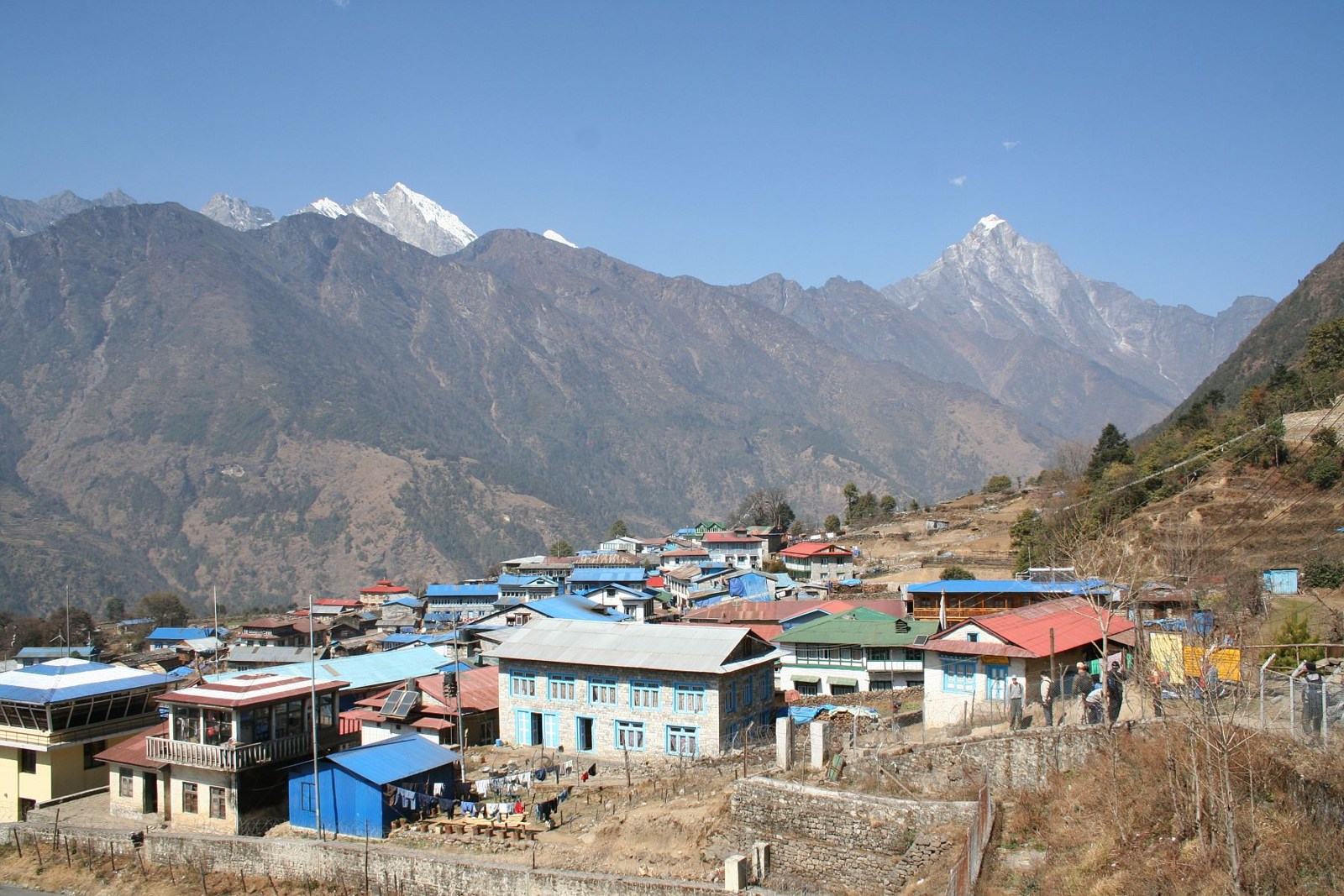

Lukla's Tenzing-Hillary Airport sits on a mountainside at about 9,380 feet. The runway is roughly 1,730 feet long and slopes steeply, so planes land uphill and take off downhill. Only small twin-engine aircraft fly here, mainly with Tara Air, Summit Air and Sita Air.
Airlines raised fares on 1 March 2026. A one-way ticket from Kathmandu now costs about $236 to $255 for foreigners. Flights leave early, usually between 6 and 10 a.m., because cloud builds in the valleys by late morning. On the way up, sit on the left side of the plane for the mountain views.
Baggage is tight: 10 kg (22 lb) checked plus 5 kg (11 lb) carry-on. Anything over is charged by the kilo. That single rule will shape your packing more than anything else in this guide.
Why you might fly from Ramechhap instead
In the busy spring and autumn seasons, most Lukla flights move from Kathmandu to Manthali Airport in Ramechhap to ease congestion at the main airport. That means a 4 to 5 hour drive from Kathmandu, usually leaving around 1 or 2 a.m. to make the first flights. It is not glamorous. You doze against a jeep window on a winding road in the dark.
The upside: the flight is only about 15 to 20 minutes, and the fare is lower, around $186 to $190 one way, plus about $30 for a shared jeep each way. Your airline or agency decides which airport you leave from, so confirm it a few weeks before you travel.
Book early, and leave spare days. For October and April, book Lukla seats two to three months ahead. More important, keep two or three free days at the end of your trip before your flight home. Weather grounds Lukla flights often, sometimes for days. Without that cushion, the fallback is a shared helicopter seat out, typically $450 or more, or a missed international flight.
Skipping the flight altogether
If you would rather not fly, or you have more time than budget, you can drive to Salleri or Phaplu and walk up from there. Or take the old route from Jiri, the way Hillary and Tenzing walked in back in 1953. Both add several days through greener, quieter hills, and the extra time helps with acclimatization.
If the weather cancels your flight
Before the first attempt, agree on who rebooks the seats, where you wait, and who pays for additional lodging. Also ask what happens after a second canceled morning. Some operators keep trying for Lukla, while others offer a helicopter supplement or switch to another trekking region. Those are very different outcomes if Everest is the reason you booked.
A helicopter is an option when conditions permit, not an all-weather escape. Its price depends on the route, aircraft availability, and how the charter is shared. Get the complete extra charge and the treatment of your unused plane ticket before accepting it. Keep a separate disruption reserve so an optional helicopter seat does not consume the money you need for lodging and meals.
November 2026 transport update: Intrepid reports an alternative eight-to-nine-hour road transfer and a night in Manthali while the main Ramechhap highway is repaired after rain and flooding. Its notice expects this arrangement through the end of November. Confirm the road route and airport-night arrangements for your own departure.
The overland approach also changes the budget. Saving a flight fare adds guide days, meals, and beds before you reach the main trail. Compare the complete journey and the current road endpoint. A longer approach can be rewarding, especially if you want quieter villages, but it is not automatically the cheapest way to reach base camp.
Where to stay in Kathmandu, before and after the trek
Plan on one or two nights before the trek and at least two after. Before, you need time to collect permits, meet your guide and rent gear. After, you will want a long hot shower, a proper bed and a buffer for flight delays.
Thamel is the trekker's neighborhood: rental shops, cash exchanges and cheap guesthouses within a few lanes of each other. The international hotels sit a short taxi ride away, which suits the after-trek recovery days well.
The Soaltee Kathmandu, Autograph Collection
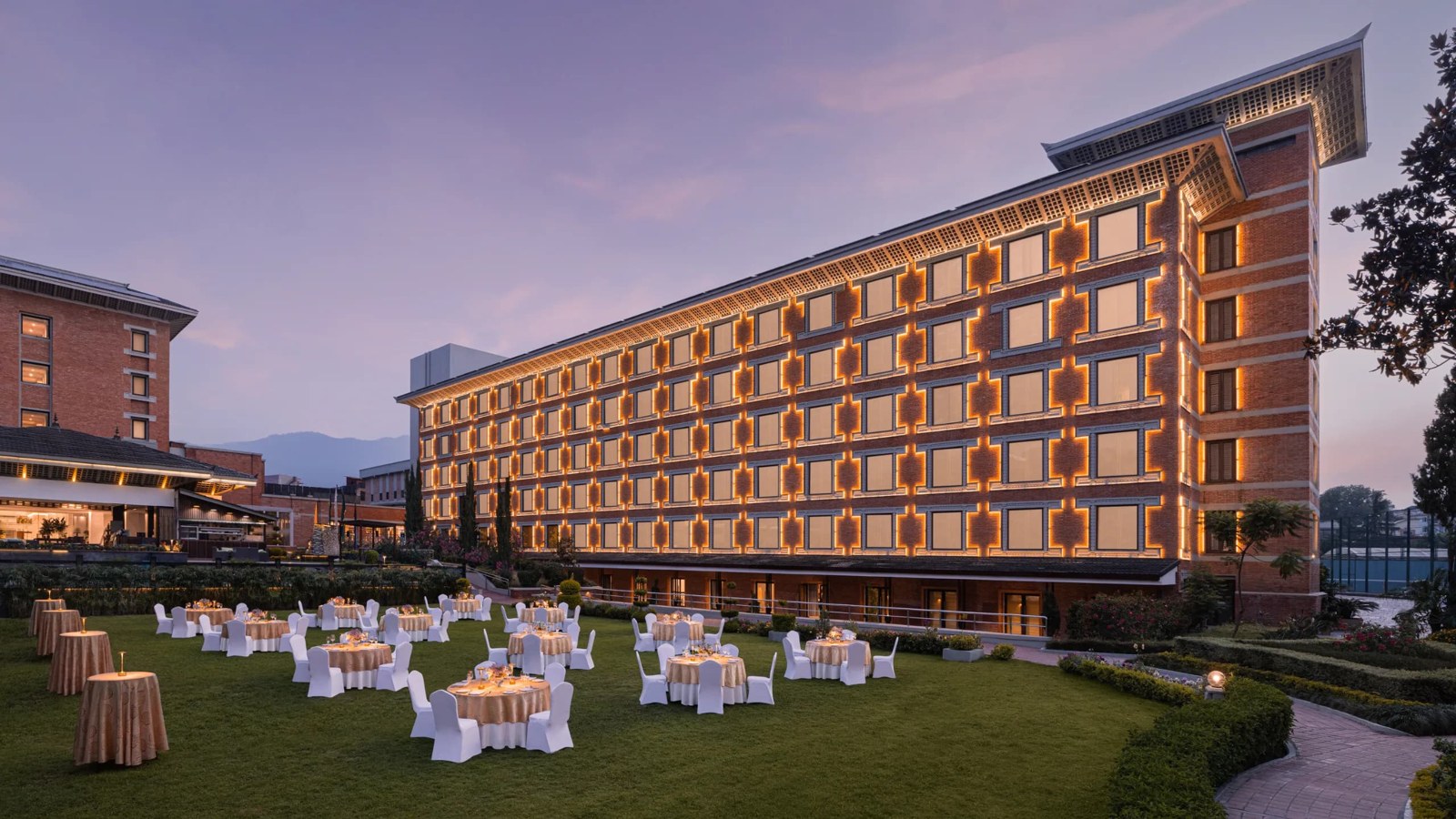
The Soaltee sits on 12 acres in Tahachal, with gardens, an outdoor pool, and a spa. It makes sense for a slower recovery stay after the trek. Compare the Bonvoy points price with a flexible cash rate for your dates, including taxes and breakfast. An old award-night example is not a fixed redemption price.
We may earn a commission when you book through the Trip.com hotel links in this article.
Hyatt Centric Soalteemode Kathmandu
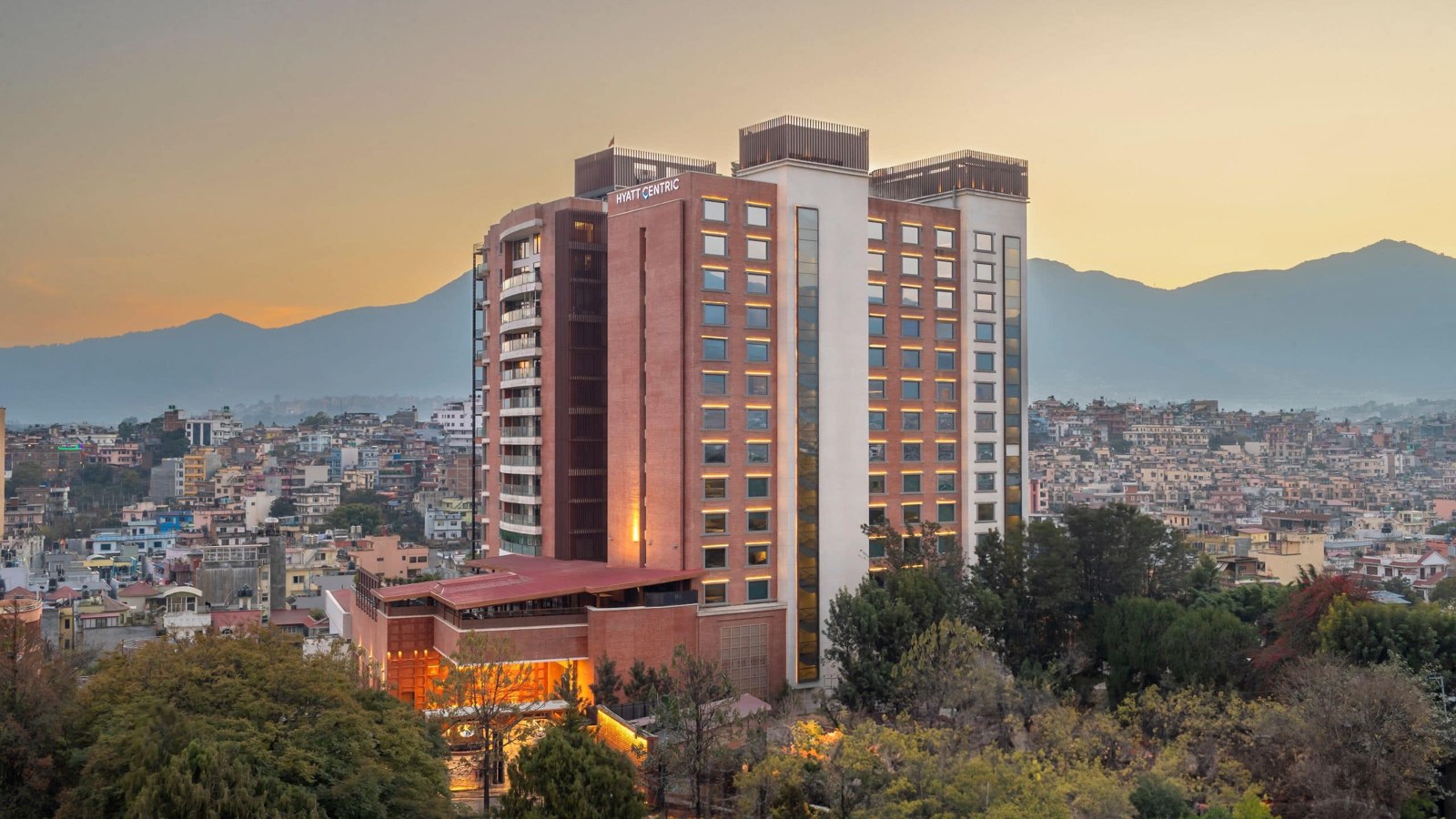
Hyatt Centric is in the Soalteemode/Tahachal area, useful if you want a city hotel within World of Hyatt. It is not a walk-out-the-door Thamel base. Hyatt Regency Kathmandu, near Boudhanath, is listed as temporarily closed on Hyatt’s own website as of this review, so it should not anchor your arrival or recovery plans without confirmation of reopening.
Kathmandu Marriott Hotel
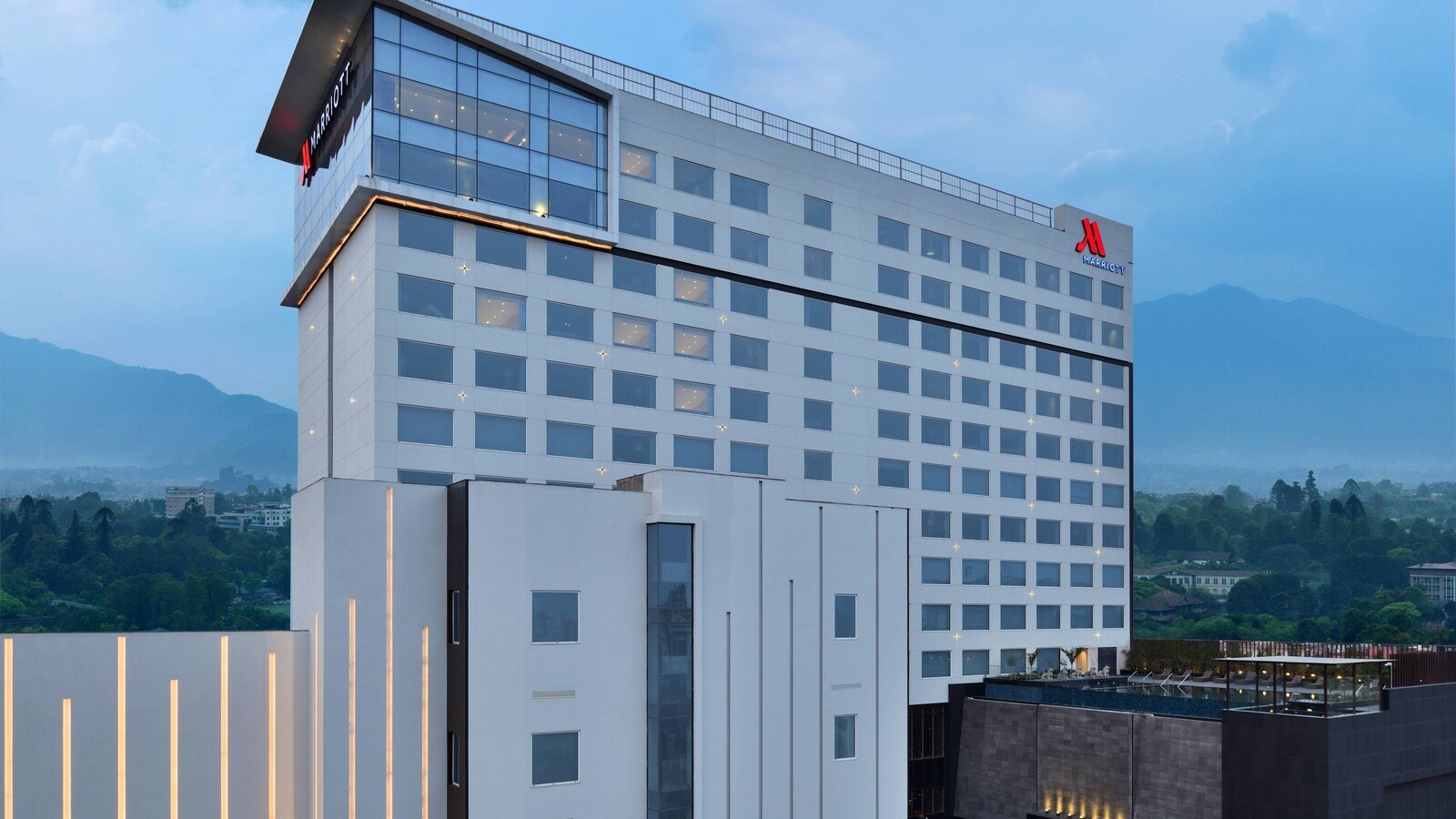
The Marriott’s Naxal location suits travelers who want a full-service city hotel while keeping Thamel within a taxi ride. Before paying for an upgrade, compare the room rate with the breakfast or lounge access you would actually use. An early departure can make a generous breakfast benefit irrelevant.
Holiday Inn Express Kathmandu Naxal
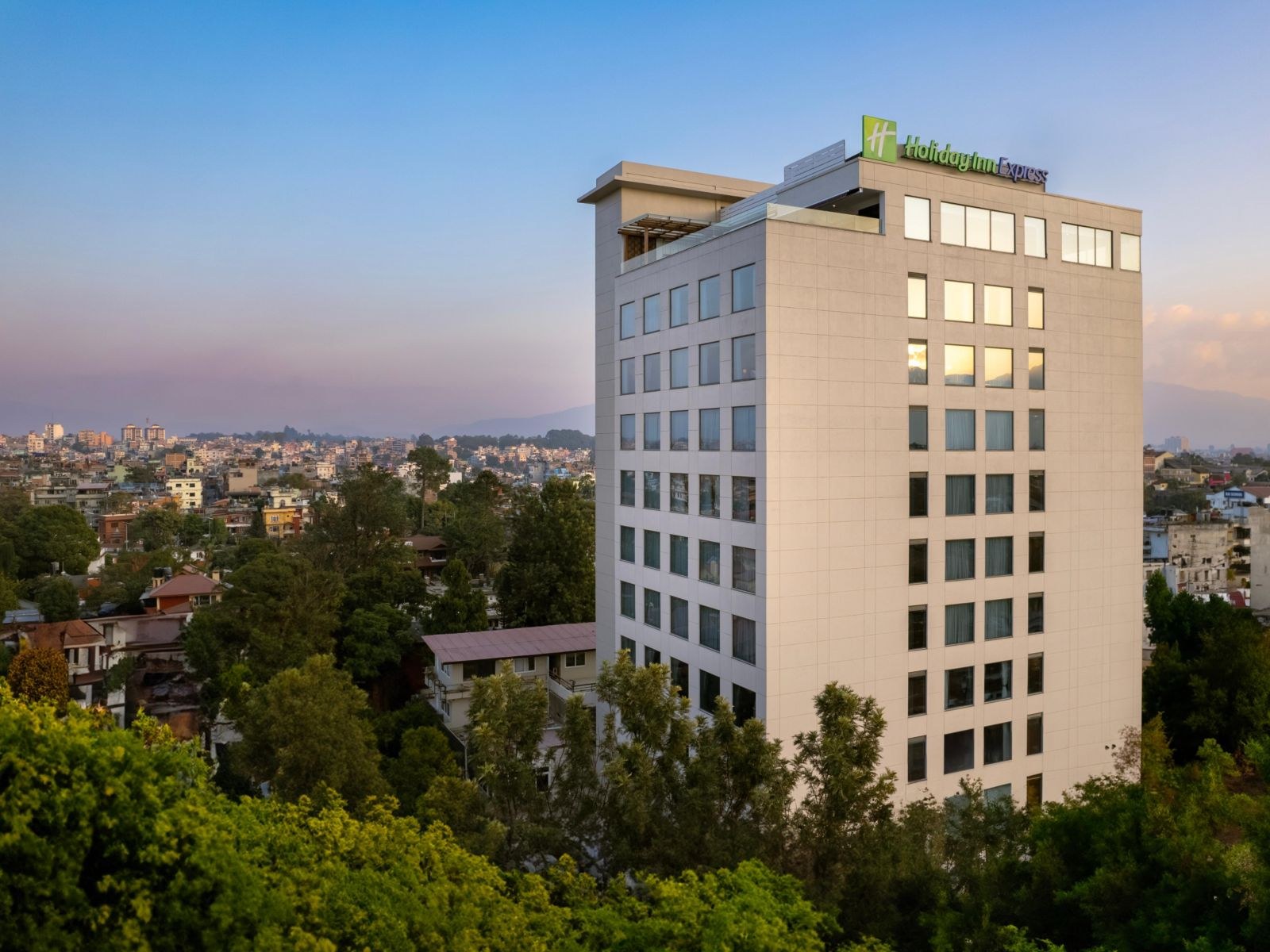
Holiday Inn Express Naxal includes breakfast, making its total easier to compare with room-only rates. Its published breakfast hours begin at 6:30 a.m., so ask about a packed breakfast for an earlier departure.
Mercure Kathmandu Sukedhara Heights
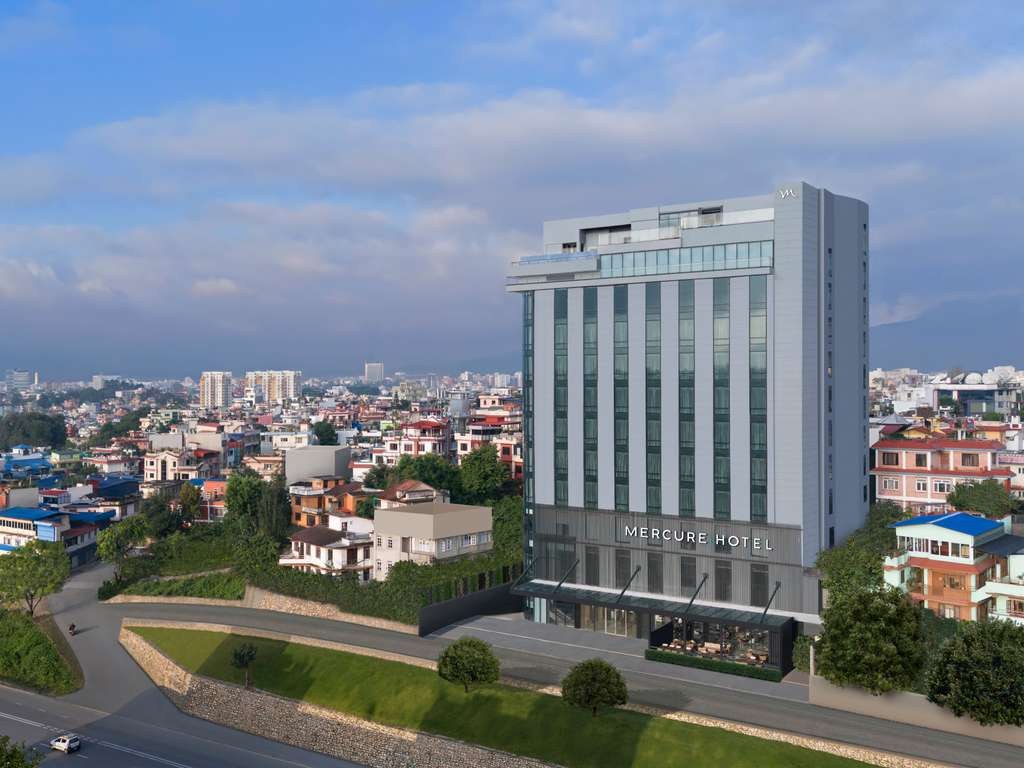
Mercure is in Sukedhara Heights, a different location from Thamel. Confirm your guide’s pickup arrangements before choosing it for the night before the trek.
Ask your hotel to store your city luggage for the trek and confirm the charge, collection procedure, and whether a return booking is required. Keep passports, medication, insurance documents, and essential electronics with you.
Use Kathmandu differently before and after the trek
Before the walk, convenience matters. Staying close to your agency in Thamel makes it easier to fit boots, collect a rental sleeping bag, change money, and return for a second bag weigh-in. Ask whether the transfer vehicle can reach the hotel entrance. Carrying a duffel through narrow lanes at 1 a.m. is an avoidable start to a long day.
Afterward, you may value a quiet room, reliable hot water, laundry, and a late checkout more than being beside the gear shops. A flexible reservation lets you move the recovery stay when the Lukla flight slips. Check the cancellation deadline in Nepal time and ask how the hotel handles an arrival delayed by mountain weather.
A trekking package may already include city accommodation. Request the hotel name and room type before booking a second room with points. If you want to substitute a different hotel, ask whether the agency offers a credit and whether airport transfers still include your chosen property.
Permits, fees and the guide question
The two main entry charges are Sagarmatha National Park admission and the Khumbu municipality permit. Nepal Tourism Board also lists Everest Base Camp under its licensed-guide and TIMS provisions. Ask your agency to itemize all the permits it will arrange so the entry fees are not mistaken for the complete paperwork.
| Permit | Cost for foreigners | Where to get it |
|---|---|---|
| Sagarmatha National Park entry | NPR 3,000 published foreign-visitor entry fee | Nepal Tourism Board office in Kathmandu, or the park gate at Monjo |
| Khumbu Pasang Lhamu Rural Municipality permit | NPR 3,000 standard rate; nationality concessions apply | The counter in Lukla, shortly after you land |
The park and municipality publish NPR3,000 each at their standard foreign rates. Obtain an itemized confirmation of any additional taxes or agency charges. Carry your passport and pay local charges in Nepalese rupees. Nationality concessions differ between the two permits.
Do you need a guide for Everest Base Camp?
This is the most confusing part of planning, so here is the plain version.
Nepal Tourism Board’s revised TIMS provisions explicitly name Everest Base Camp among routes requiring a licensed guide and agency-issued TIMS. Accounts of local enforcement in Khumbu differ. A report that someone passed a checkpoint alone is not a reliable statement of the rule for your departure.
That gray zone is getting less comfortable. In late October 2026, a 26-year-old solo trekker fell near Kongma La pass and was flown to intensive care in Kathmandu. Officials quoted in the Nepali press called unguided trekking a breach of the rules and a cause of avoidable rescues. Expect more pressure on this, and check the current position right before you go.
For a first trip, a licensed guide is worth budgeting for. A good guide helps you judge your pace, notices when you are struggling, and explains the places you are walking through. If someone is offered as a porter-guide, confirm that they hold the necessary guide qualification and that the agreed load leaves them able to do both jobs.
The route, day by day
This route gets you back to Kathmandu on day 14 if flights run as planned. Keep days 15 and 16 completely free, then book your international departure for day 17 or later. There are two acclimatization stops, but the ascent still needs to be adapted to your health and previous altitude exposure.
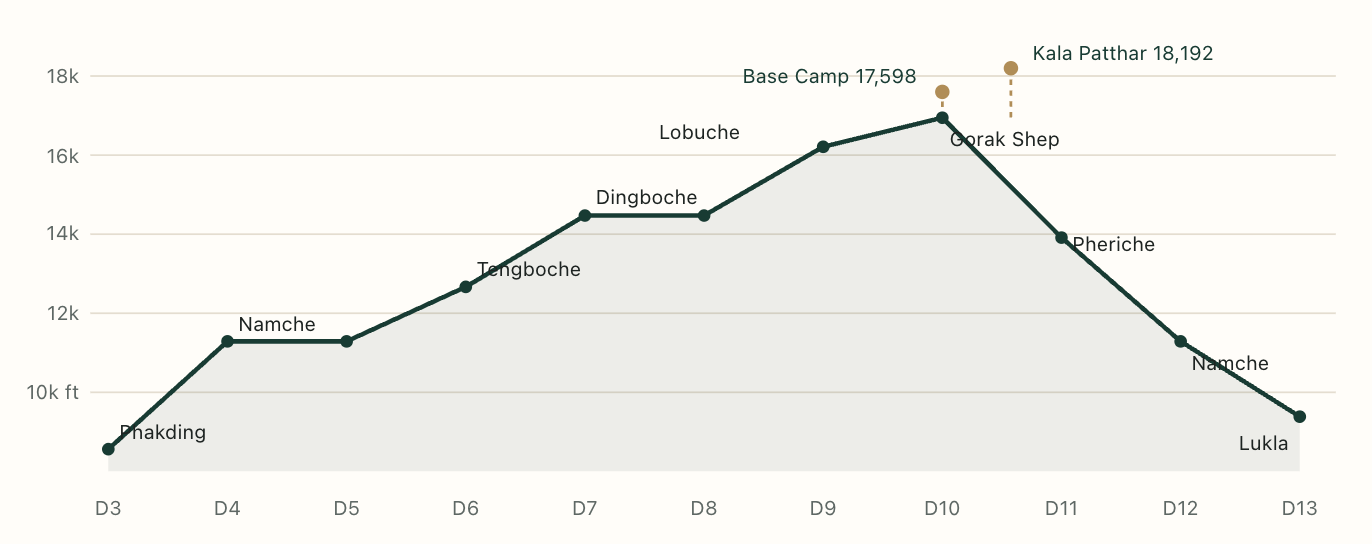
Arrive in Kathmandu
4,600 ft / 1,400 m
The ride from the airport is your first lesson in Nepal: horns, motorbikes, the odd cow, and somehow no crashes. Check in, keep your visa receipt safe, and go find a plate of momos. That is enough for day one.
Prep day in Kathmandu
Permits, gear and a bag that weighs under 10 kg
Pick up your national park permit, meet your guide, and rent or buy whatever is missing. Weigh your bag. If it is over 10 kg, start cutting now. In peak season, this is also the night you set an alarm for 1 a.m. for the drive to Ramechhap.
Fly to Lukla, walk to Phakding
8,563 ft / 2,610 m · 3 to 4 hours
After the landing, you sip a milky tea in Lukla while your guide sorts the local permit and the porters weigh the bags. The first walk is short and mostly downhill, along the Dudh Koshi river. Stones carved with Tibetan prayers line the path. Keep them on your right as you pass, the way locals do.
Lukla is higher than Phakding, so you finish the day at a lower sleeping altitude. Use the shorter stage to settle into a comfortable pace and adjust the straps on your pack. Keep your waterproof layer and warm jacket with you even if the morning begins in sunshine.
Phakding to Namche Bazaar
11,286 ft / 3,440 m · 6 to 7 hours
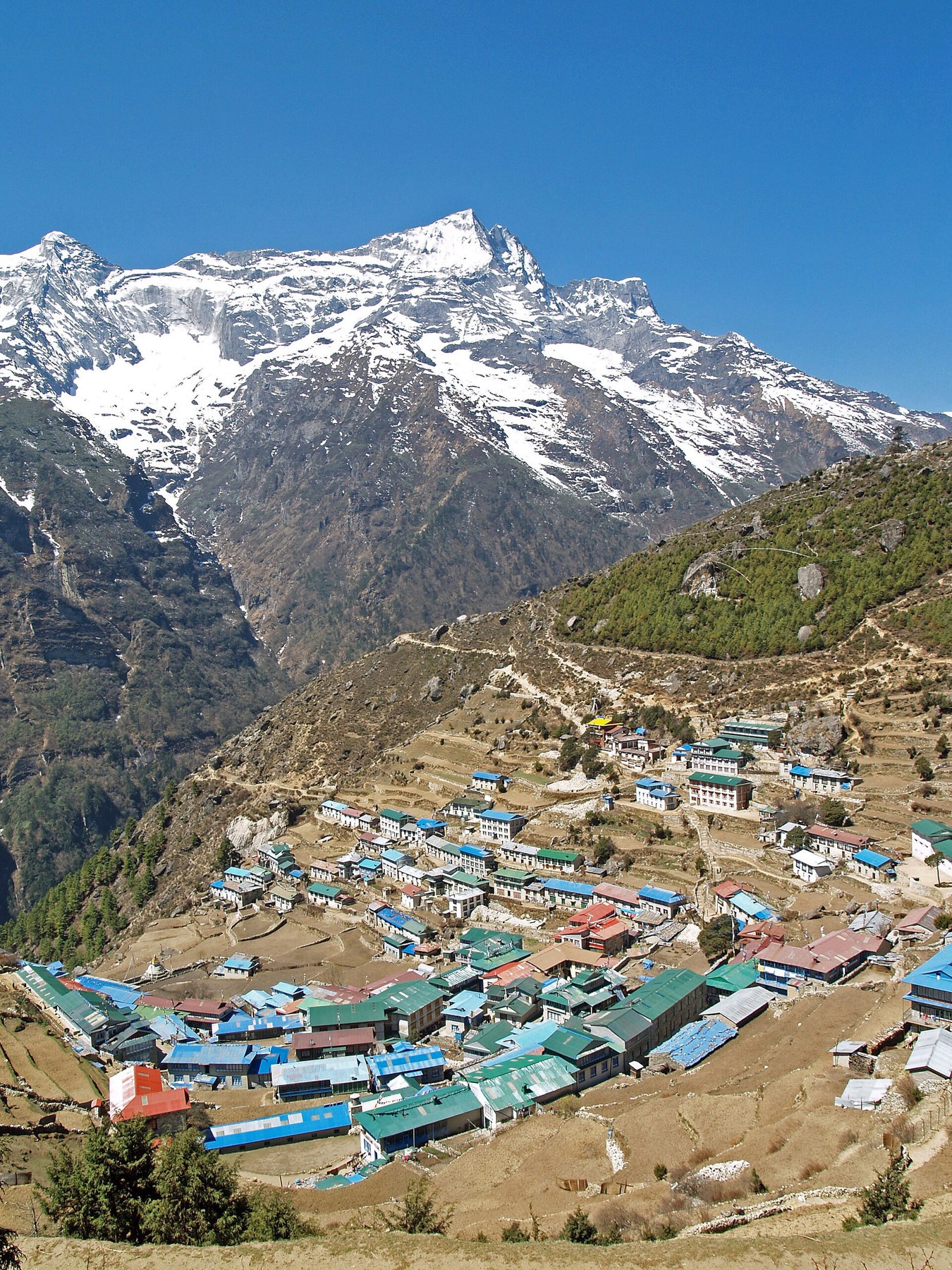
The first real test. You cross the river several times on long suspension bridges, enter the national park at Monjo, then reach the high Hillary Suspension Bridge, wrapped so thickly in prayer flags it looks like it is wearing a scarf. A long, steep climb follows. Halfway up, on a clear day, there is a spot with your first glimpse of the top of Everest. Namche itself is a horseshoe of colorful lodges stacked up a hillside, with bakeries, gear shops and a pub or two.
Leave room in the day for the climb after the river crossings. The steep final approach is more useful as a lesson in pacing than a fitness test. Stop where you can step clear of the trail, and let loaded porters and pack animals pass without crowding a bridge entrance.

Rest and acclimatize in Namche
Day hike to about 12,700 ft, back down to sleep
Rest day does not mean bed day. The rule at altitude is climb high, sleep low, so you hike above town in the morning, either to the Everest View Hotel or to the twin villages of Khumjung and Khunde, then return to Namche for the night. On Saturday mornings, Namche holds a small market where traders bring goods up from the lowlands.
Choose the outing with your guide according to how you slept and how you feel. A shorter walk and an afternoon exploring the visitor center can make more sense than a long village loop when you are tired. Buy any forgotten essentials here, where the selection is wider than in the higher settlements.
Namche to Tengboche
12,664 ft / 3,860 m · 5 to 6 hours
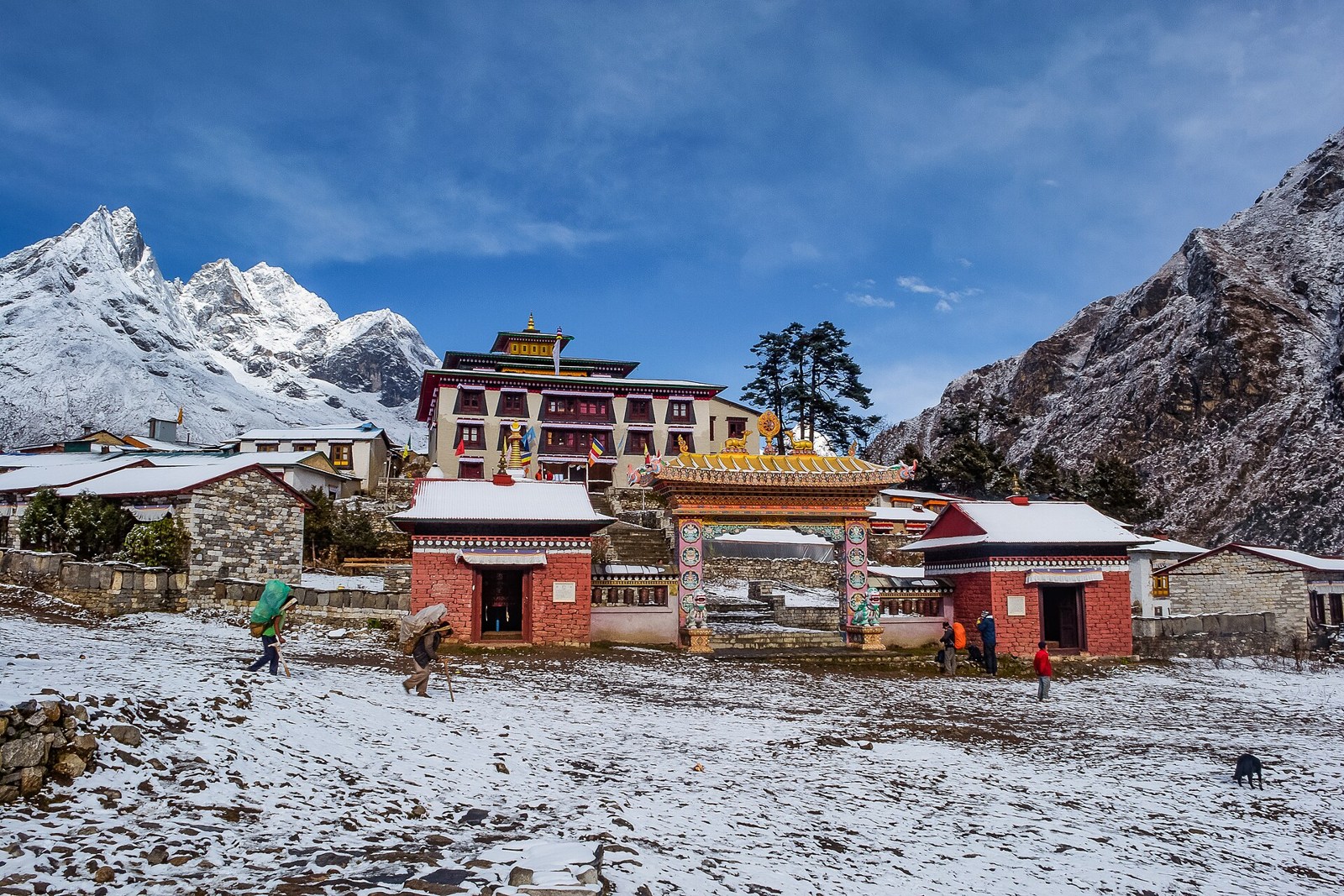
One of the most beautiful days of the trek. The trail follows the valley wall with Ama Dablam ahead the whole way, drops to the river, then climbs through pine and rhododendron forest to Tengboche. The monastery sits on a ridge with Everest behind it. If you arrive in time, sit in on the afternoon prayers. Shoes off, no flash, stay as long as you like.
The overnight elevation gain looks modest, but the path loses height before the final climb. That descent-and-ascent pattern is why the day can feel harder than the altitude chart suggests. Tengboche and lower Deboche are different overnight choices, so check which one appears on your booking.

Tengboche to Dingboche
14,469 ft / 4,410 m · 5 to 6 hours
The trees thin out and disappear. Stone walls divide small potato and barley fields that look impossibly high to farm. Dingboche is wide, windy and cold, and you will feel the altitude here. Walk slowly. Drink plenty.
Pangboche is a useful place to discuss a slower ascent if you need an extra overnight. Adding that stop extends the itinerary but reduces the jump to Dingboche. Beyond the trees, keep a wind layer handy and put sunscreen somewhere you can reach without unpacking the porter bag.
Acclimatization day in Dingboche
Optional climb toward 16,676 ft
The usual hike is up Nangkartshang, a steep hill behind the village. Go as high as feels right, even if that is only halfway. The reward is a view of Makalu, the world's fifth highest mountain. Spend the afternoon playing cards by the stove.
Dingboche to Lobuche
16,207 ft / 4,940 m · 5 to 6 hours
After a gentle stretch across a high valley, you climb to Thukla Pass, where stone memorials honor climbers and Sherpas who died on Everest. It is a quiet, heavy place, and most people stop talking for a while. Then a short walk to Lobuche, a cluster of lodges beside the Khumbu Glacier.
Give the memorial area some quiet time. The last section toward Lobuche is less about climbing quickly and more about moving steadily while already above 4,400 meters. Keep the afternoon simple: settle in, eat, and prepare what you need for the longest outing of the trek.
Gorak Shep, then Everest Base Camp
Base Camp: 17,598 ft / 5,364 m · Sleep at Gorak Shep: about 16,930–17,030 ft / 5,160–5,190 m · Allow 8 to 9 hours total
The big day. You follow the edge of the glacier to Gorak Shep, the last settlement, drop your bags, eat something even if you are not hungry, and push on over rocky moraine to Base Camp. There is no grand monument. Just a large rock draped in prayer flags, the jumbled ice of the Khumbu Icefall, and the sound of the glacier shifting beneath you. It is more than enough. Back to Gorak Shep to sleep.
The overnight bag can stay at the lodge, but carry water, snacks, insulation, and a headlamp to base camp. The return walk still matters when the photograph is taken. Expect rocky moraine and small repeated rises, and follow the guide’s current route as glacier terrain changes.
Sunrise on Kala Patthar, down to Pheriche
Kala Patthar: about 18,192 ft / 5,545 m · Pheriche: about 13,911 ft / 4,240 m · 7 to 8 hours
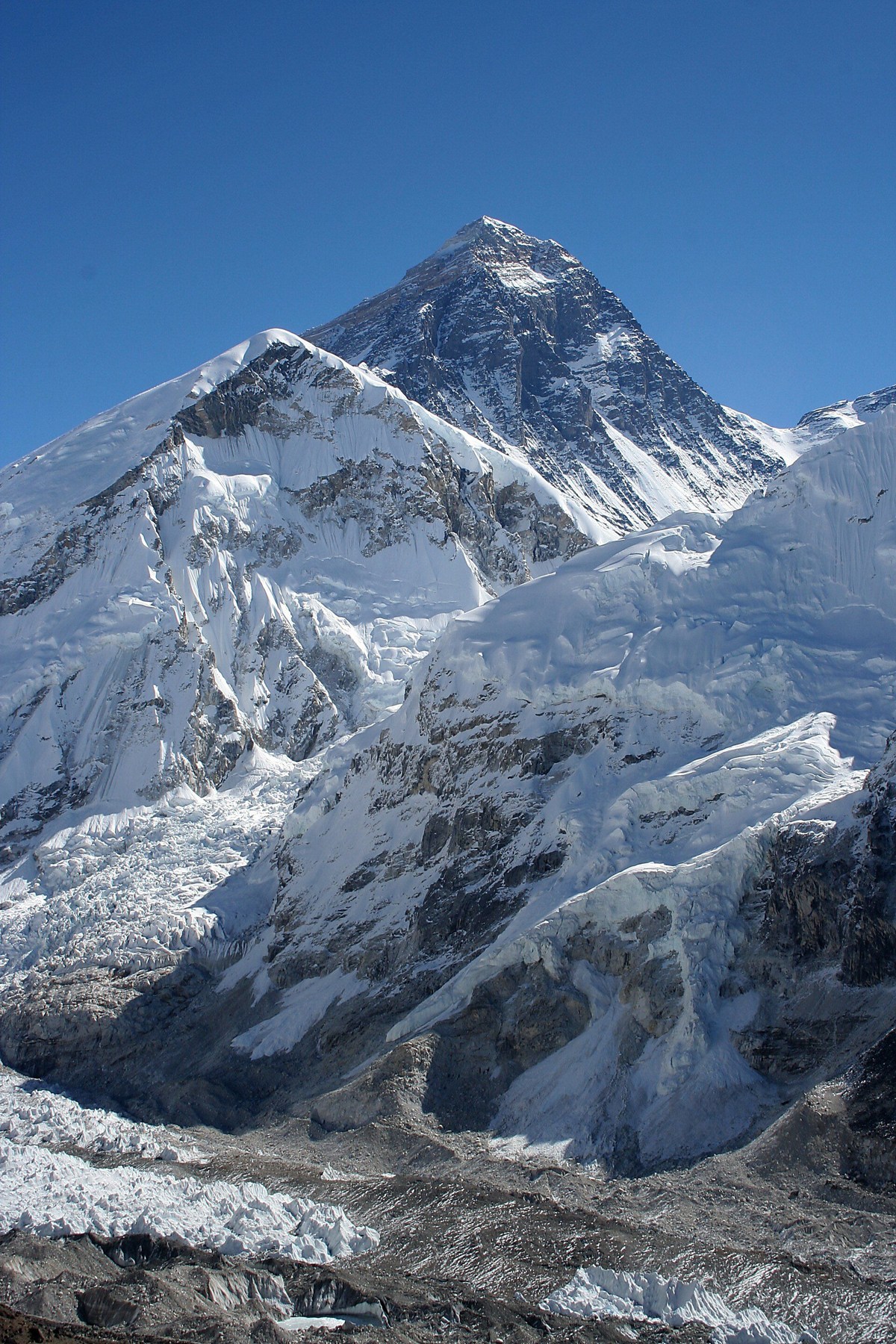
Here is the secret: you cannot really see the summit of Everest from Base Camp. You see it from Kala Patthar, the brown hill above Gorak Shep. You start climbing in the dark by headlamp and watch the sun reach the top of Everest first, turning it gold while everything below is still blue and frozen. It is the photo of the trip. Then you descend all the way to Pheriche, and the thicker air feels like a gift.
Kala Patthar is optional. Tell the guide how you feel before leaving the lodge, and turn back if symptoms develop. An early start means you may be climbing in darkness and waiting in cold wind. Keep your gloves and insulation accessible, then allow enough time for the long descent after breakfast.

Pheriche to Namche Bazaar
7 to 8 hours
A long return day with climbs as well as descents. Lower altitude may make breathing easier, but tired knees still need a steady pace. Namche’s cafés and bakeries give you a welcome choice of places to sit once the walking is done.
Namche to Lukla
7 to 8 hours
Your last day on the trail. Most groups celebrate in Lukla with their guide and porters that evening, which is also when tips are handed over.
Fly back to Kathmandu
Keep days 15 and 16 free
If the weather holds, you are back in Kathmandu traffic by lunch. If it does not, this is exactly what the spare days are for.
Teahouse life: where you sleep and what you eat
On the standard lodge-based EBC trek, you sleep in teahouses. These mountain lodges combine a shared dining room with simple bedrooms, and their facilities change as you climb. Camping and expedition-style overnight visits are separate arrangements.
The dining room is the heart of it. Around five in the afternoon someone lights the stove in the middle, fed with dried yak dung once you are above the tree line. It smells earthier than you would expect. Trekkers from a dozen countries crowd around it with cards, books and mugs of ginger, lemon and honey tea. This is where you make friends.
The bedrooms are another matter. Two narrow beds, a thin mattress, a pillow and plywood walls. No heating. At Lobuche and Gorak Shep, the water bottle beside your bed may freeze. A warm sleeping bag is not optional. Lower down, in Lukla, Phakding and Namche, you will find rooms with private bathrooms, hot showers and even electric blankets. Above Dingboche, expect shared squat toilets with a bucket of water for flushing.
What things cost on the trail
Supplies become more expensive to transport higher up the trail, and food and service charges generally rise with altitude. The ranges below are planning estimates from the operator sources, not fixed lodge tariffs.
| Item | Lower villages | Dingboche to Gorak Shep |
|---|---|---|
| Room per night | $5 to $15 | $10 to $25 |
| Dal bhat | $5 to $7 | $8 to $12 |
| Tea, coffee or hot chocolate | $2 to $3 | $3 to $5 |
| Liter of boiled water | About $1.20 | Up to $3.50 |
| Hot shower | $3 to $5 | $6 to $10, often a bucket |
| Charging a phone or camera | $2 to $3 | $3 to $6 per device |
| Wi-Fi (Everest Link) | About $5 to $8 a day, or $20 to $30 for a data card | Same cards, slower and patchier |
Many lodges give you a very cheap or even free room if you eat dinner and breakfast there. That is the deal, so do not wander off to eat elsewhere after checking in.
What to order
Dal bhat is the move: rice, lentil soup, a vegetable curry and a spicy pickle, and in nearly every teahouse the refills are free. Guides eat it twice a day for good reason, and you will hear the trail saying "dal bhat power, 24 hour" more than once.
Other choices include Sherpa stew, potato dishes, porridge, and Tibetan bread with honey. Garlic soup is a common menu item, not a treatment for altitude illness. Vegetarian meals simplify food choices where refrigeration and transport are uncertain. Ask about fresh preparation and storage instead of assuming every lodge has the same kitchen facilities.
A routine that makes the evenings easier
Change out of damp walking clothes before sitting down for the evening. Keep one dry layer for sleeping and separate it from the clothes you wear on the trail. Ask when dinner is served, place your order in time, and check the next morning’s breakfast plan with your guide. A small lodge kitchen is feeding several groups with different departure times.
At check-in, ask which charges are separate: the shower, a flask of hot water, Wi-Fi, or charging a large power bank. Settle your personal bill before the morning rush. When meals are included in your package, clarify whether that means one menu item per meal and whether tea or coffee comes with it.
For couples, a twin room commonly means two separate beds. Higher up, a private bathroom may be unavailable even if you had one in Namche. A single supplement should identify the villages where the room can actually be provided. Pay for the facilities you will receive, not a general promise of comfort throughout the trek.
Altitude sickness: the thing that really stops people
Not sore knees. Not the cold. Altitude is the main reason people fail to reach Base Camp, and it pays no attention to how fit you are. Marathon runners get sick. Retirees who walk slowly often do fine.
Know the signs
Acute mountain sickness usually starts like a bad hangover: headache, nausea, poor appetite, tiredness and broken sleep. Mild symptoms are common above 11,000 feet and usually ease with rest and no further climbing.
The serious forms are rarer and can kill. Watch for:
- Fluid on the brain (HACE): confusion, stumbling as if drunk, a headache that painkillers do not touch.
- Fluid in the lungs (HAPE): breathlessness even at rest, a wet cough, a gurgling chest, blue lips.
If these signs appear, seek urgent medical assistance and begin an assisted descent as soon as it can be done safely. Never send an ill trekker down alone. Do not wait overnight for symptoms to improve or postpone treatment while arranging an insurance call.
How to give yourself the best chance
- Above 3,000 meters, CDC guidance recommends sleeping no more than about 500 meters higher each day and adding an acclimatization day per 1,000 meters gained. Phakding–Namche rises about 830 meters, and Tengboche–Dingboche about 550 meters. Discuss extra overnight stops with your guide instead of treating the sample itinerary as medically suitable for everyone.
- Use acclimatization days for a suitable outing and return to the same sleeping elevation. Rest if unwell, and tell your guide.
- Drink regularly to replace fluid losses. Forcing excessive water does not prevent altitude illness.
- Skip alcohol until you are on the way down.
- See your doctor before you go about acetazolamide (Diamox), which many trekkers carry. Only a doctor can say if it is right for you.
- Be honest with your guide. Saying "I have a headache" is not weakness. Hiding it is how people end up evacuated.
The Himalayan Rescue Association runs an aid post in Pheriche staffed by volunteer doctors during the main seasons, and they often give afternoon talks on altitude. Go to one.
The other usual suspects
Cold, dry air and trail dust can cause a persistent cough. A buff can help with dust exposure, but breathlessness at rest or a worsening cough needs assessment, especially with other altitude symptoms. Stomach illness is another concern: use treated water, clean your hands before eating, and choose freshly cooked food.
Choose a policy covering the highest point on your plan, including Kala Patthar, and confirm medical evacuation, search-and-rescue terms, and repatriation. A 5,000-meter limit is too low. Many trekkers choose a policy with a 6,000-meter ceiling to cover the route, but the exact activity wording matters as much as the number. Keep the assistance contact and policy accessible offline.
This section is general information, not medical advice. See a travel doctor before your trip.
Know the plan before someone needs to descend
Ask how the guide team handles a split group. If one person is ill, who accompanies them down, and who stays with the others? A porter carrying the group’s bags is not automatically the person responsible for medical decisions. The agency should explain the staffing and communication plan before departure.
Save the insurer’s assistance number and policy document offline, and give a copy to your guide. If an incident happens, keep treatment notes and receipts, but urgent care comes first. A policy that mentions helicopter evacuation may still impose activity limits or authorization procedures. Read those terms while you have time and a reliable connection.
Everest Base Camp cost: the full breakdown
For the two travel styles below, planned spending works out to about $1,900–2,800 per person before your international airfare and a separate disruption reserve. These are worked planning budgets, not quotes. Solo guide costs, shared room costs, and the number of city nights are spelled out so you can change the assumptions.
Both examples allow 12 paid guide days, 11 trail nights, and five Kathmandu nights: two before the trek and three after an on-time return on day 14, including nights before the two full buffer days. The solo traveler carries their own bag with a licensed guide. The couple shares one guide, one porter, and a room, with costs shown per person.
| Per person | Solo, licensed guide Own bag; Ramechhap | Couple Shared guide, porter and room |
|---|---|---|
| Nepal visa, 30 days | $50 | $50 |
| Permit allowance; settle exact fees in NPR | $50 | $50 |
| Lukla return flights and transfers | $436 | $472 to $510 |
| Teahouse room share, 11 nights | $55 to $110 | $55 to $110 |
| Meals, 12 days | $300 to $384 | $360 to $480 |
| Drinks, water, showers, Wi-Fi and charging | $120 to $180 | $180 to $300 |
| Guide / guide and porter, 12 days | $360 to $480 | $288 to $390 |
| Tips | $180 to $240 | $150 to $180 |
| Insurance planning allowance | $100 to $200 | $100 to $200 |
| Kathmandu room share, 5 nights | $125 to $175 | $175 to $250 |
| Kathmandu meals outside hotel breakfast | $75 to $125 | $100 to $150 |
| Gear rental or top-ups | $40 to $80 | $0 to $100 |
| Calculated total | $1,891 to $2,510 | $1,980 to $2,770 |
Keep another US$500 or more available for disruption, based on the options you would accept. It is separate from the calculated trip cost. A hotel extension, changed international ticket, or helicopter upgrade can exceed it. For example, adding a US$500 reserve and a US$900 return international fare to the solo budget would mean having roughly US$3,300–3,900 available.
The budget uses the daily-rate ranges discussed below and planning allowances for transport, rooms, permits, insurance, and equipment. Confirm whether staff meals, lodging, travel to Lukla, and the full return transfer are included in the guide quote. Add any excluded staff travel. The couple’s room figures are each person’s half, and the city allowance is for modest accommodation, not the luxury hotels described above.
What about a package?
Most guided EBC packages run about $1,400 to $2,500 and usually include the Lukla flights, permits, guide, porter, teahouses and three meals a day. On top of that, plan on $400 to $700 for the visa, insurance, tips, drinks, showers, Wi-Fi and Kathmandu extras. Read the inclusions closely: some leave out the Ramechhap jeep, meals in Kathmandu, or the guide's tip.
At the top end, lodge-based treks that use the Everest region's few heated luxury lodges, often with a helicopter flight out, typically start around $4,000 per person.
Where paying more changes the experience
A private guide can make it easier to discuss an extra night or a different walking pace, although the added time still costs money. An assistant guide in a larger group matters if someone needs to turn back. Extra Kathmandu nights protect a flight connection. Those are useful things to compare before spending the same difference on a more expensive city room.
A helicopter return buys a different trip, removing several walking days from the descent. It also changes the weather exposure and the cancellation terms. Compare a written itinerary with the landing point, baggage allowance, passenger sharing, and fallback plan. A scenic flight, a prebooked return flight, and an emergency evacuation are three separate arrangements.
Guides, porters and how to choose them
| Who | Daily rate | What they do |
|---|---|---|
| Licensed trekking guide | $30 to $40 | Leads, books lodges, watches your health, translates |
| Porter-guide | $25 to $30 | Carries up to about 15 kg and shows the way |
| Porter | $18 to $25 | Carries the bags, often shared by two trekkers |
These daily rates normally include their food and lodging on the trail. Confirm that in writing, along with who pays for their Lukla flight if you hire in Kathmandu.
Tipping
Tips are a real part of guide and porter income here, not a bonus. A common guideline is $15 to $20 a day for your guide and about $10 a day for each porter, as a group total. Hand them over at the end of the trek, usually at the last dinner in Lukla, in an envelope. Do not be surprised if they do not open it in front of you. That is simply good manners.
Choosing well
- Ask the agency what it actually pays its staff each day, and whether porters receive proper cold-weather gear and insurance.
- Ask to see the guide's license card before you start.
- Look for an agency that is a member of the Trekking Agencies' Association of Nepal (TAAN).
- A cheap package often means an underpaid porter carrying too much. Be the trekker who checks.
What to pack, under 10 kilograms
Everything that goes up has to fit within the Lukla baggage limit, and whatever your porter carries goes in a soft duffel, not a hard suitcase. Rent the bulky items in Thamel, where a sleeping bag or down jacket costs a few dollars a day.
Clothing
- Base layers, top and bottom
- Fleece mid-layer
- Warm down jacket
- Waterproof shell, jacket and pants
- Two pairs of trekking pants
- Warm hat, sun hat, buff
- Liner gloves and warm gloves
Feet and sleep
- Broken-in waterproof boots
- Camp shoes or sandals
- Four pairs of wool socks
- Sleeping bag rated to about 5°F (−15°C)
- Earplugs, eye mask
Gear
- Daypack of 25 to 35 liters
- Trekking poles
- Headlamp and spare batteries
- Two 1-liter bottles
- Water filter or purification tablets
- Power bank
Health and extras
- Category 3 or 4 sunglasses
- SPF 50 sunscreen and lip balm
- Personal first aid kit
- Hand sanitizer, toilet paper
- Snacks you love from home
- Cash in Nepali rupees
Pack for the day, then pack for the porter
Your daypack holds what you might need before the next lodge: water, snacks, rain protection, warm layers, sun protection, medication, documents, and a headlamp. The porter may be ahead of you for hours. Put the sleeping bag and spare clothes inside waterproof liners in the duffel, and keep the dry sleeping clothes together so you can find them quickly.
Weigh rented equipment as part of the bag, not as an afterthought. A thick sleeping bag and jacket use a noticeable share of the checked allowance. Inspect zippers, insulation, and the bag’s temperature rating at the agency. For the sleeping bag, ask about its comfort rating for your travel month, not just the words “four season.”
Do a practice walk with the daypack fully loaded. Two liters of water add two kilograms before the camera, layers, and snacks. If the straps are uncomfortable on a local hill, adjust the fit before you have twelve consecutive mornings of wearing it.
Tips that save money, and your trek
- Bring cash from Kathmandu. There are ATMs in Lukla and Namche, but they are unreliable and charge high fees. Budget about $35 to $50 a day per person in rupees for food, rooms and extras, plus your tips.
- Eat where you sleep. It keeps your room cheap and your host happy.
- Treat your own water. Refilling with boiled or filtered water is cheaper than buying bottles, and keeps plastic out of the mountains.
- Buy one Everest Link card and share it between devices, instead of paying lodge by lodge.
- Charge everything in Namche, where power is cheaper and more reliable than higher up.
- Yaks have right of way. When a caravan comes, step to the uphill side of the trail, never the drop side.
- Walk clockwise around stupas, mani walls and prayer wheels.
- Ask before photographing people, especially monks and older villagers.
- Pad your return. We will say it one more time: two or three spare days at the end.
Questions people ask most
How hard is the Everest Base Camp trek?
The walking itself is moderate: 4 to 8 hours a day on well-used trails with plenty of stone steps. The altitude is what makes it hard. If you can walk 6 to 8 miles with a daypack two days in a row without trouble, you have the base fitness. Spend the months before doing long hikes and stair climbing with your pack on.
Can a beginner do it?
Yes, many first-time trekkers reach Base Camp. Beginners who succeed tend to have three things in common: they follow an itinerary with proper rest days, they hire a guide, and they walk slower than they think they need to.
Can you see Everest from Base Camp?
Not really. From Base Camp the summit is hidden behind its neighbors. The classic view is from Kala Patthar, the hill above Gorak Shep, best at sunrise.
Is a guide mandatory?
Nepal Tourism Board’s published rules list Everest Base Camp under licensed-guide and agency-issued TIMS requirements. Local enforcement reports differ. Get the current route requirements in writing from a registered agency.
How much cash should I carry?
Around $35 to $50 a day per person in Nepali rupees for meals, rooms and extras, plus your tips. If your package includes meals and lodging, you will need much less, perhaps $10 to $15 a day for drinks, showers and charging.
What is the cheapest way to do it?
Compare the full itinerary, including transfers, staff travel, food, and extra nights. Sharing a licensed guide and basic rooms can reduce the cost. An overland approach saves the flight fare but adds paid trekking days, so price the whole journey.
Can I take a helicopter back?
Yes, helicopter-return itineraries are sold, but the price depends on the pickup point and sharing arrangement. Confirm the baggage limit, cancellation terms, and fallback if the aircraft cannot fly. Bad weather can ground helicopters too.
The morning that makes it worth it
Nobody remembers the cold room in Lobuche or the price of a shower in Gorak Shep. What stays is smaller and stranger. The monk who smiled at you through the incense at Tengboche. The porter who carried twice your load and still beat you up the hill, laughing. The dining room at night, everyone too tired to talk, sharing one pot of tea.
And then the moment on Kala Patthar when the sun finds the summit of Everest and, for about thirty seconds, nobody around you says a word.
Plan it well, leave yourself room for the weather, and walk slowly. The mountain will still be there when you arrive.
A little more considered. A couple miles away.
The conversation
Questions, tips & experiences.
Have a question about this guide, or a useful travel tip? Every comment is reviewed before it appears.
1 comment
Really useful to see a worked budget instead of a single headline price — the gap between a package quote and the landed cost surprises a lot of people. One small addition from the trail side (I run treks with Mount Everest Go in Kathmandu): the Manthali/Ramechhap diversion in peak season is the cost nobody budgets — that 1am drive and a possible buffer night in Kathmandu can add more than the permit fees do. Your buffer-day point deserves to be in bold. Thanks for sourcing the numbers properly.