Kyoto’s famous sights sit in different parts of the city. Kiyomizu-dera and Gion are on the eastern side, Fushimi Inari is to the south, and Arashiyama is to the west. Put all three into one sightseeing day and the transport starts to dictate the holiday. With three full days, give each area its own morning and build outward from there.
This route assumes you sleep in Kyoto and have three sightseeing days after arrival. If your entire trip is three days including flights, choose two of these areas. The visit lengths below are our planning allowances, including pauses; they are not official walking times or promises about queues.
Flying from Malaysia: start with Kansai
For this Kyoto stay, search Kuala Lumpur (KUL) to Osaka Kansai (KIX). Start with Malaysia Airlines nonstop, a oneworld member, and compare Economy with Business in the current schedule. KIX is the airport used by the HARUKA plan below. A Tokyo arrival adds a different intercity journey and budget.
For Star Alliance, Singapore Airlines offers KUL–SIN–KIX with Economy and Business options. Include the Singapore connection in the total duration. Compare both sectors: aircraft and seat products can differ. Confirm the operating airline, seat map and baggage on the booking you will buy.
Also price Penang, Kuching and Kota Kinabalu
Your SIA search should start from the airport you can realistically use. SIA's Malaysia departure guide includes Penang, Kuching and Kota Kinabalu. Compare these complete return itineraries for the same dates and two adults; a KUL-origin result does not establish the fare from another Malaysian city.
| Departure | Search via Singapore | What to check before choosing the cabin |
|---|---|---|
| Kuala Lumpur, KUL | KUL–SIN–KIX | Select SQ-operated flights if you want full service on both sectors |
| Penang, PEN | PEN–SIN–KIX | PEN–SIN is offered by SQ and Scoot; choose the operating carrier, not just an SQ flight number |
| Kuching, KCH | KCH–SIN–KIX | The SIN feeder is Scoot; inspect its cabin separately from the onward SQ flight |
| Kota Kinabalu, BKI | BKI–SIN–KIX | The SIN feeder is Scoot; a Business search can include a different cabin on this sector |
Treat these as routes to search, subject to a saleable connection on your dates. For Penang, compare PEN–SIN–KIX directly with PEN–KUL–KIX on Malaysia Airlines, rather than assuming you first need a separate ticket to KUL. For Kuching and Kota Kinabalu, compare the SIN option against Malaysia Airlines via KUL when full service and an available Business cabin throughout are priorities. Check every sector and both directions.
A Penang-origin fare can price differently from Kuala Lumpur. Keep the comparison fair: same dates, cabin on each sector, baggage, change rules and total for two. If you live near KL, include the extra cost and time to reach PEN; a lower ticket price alone may not save money. Do not skip the first flight of a cheaper itinerary—book the origin you will actually depart from.
SIA–Scoot codeshare guidance explains the services attached to qualifying through bookings, including the applicable checked baggage and meal or snack. A separately purchased Scoot ticket is a different product. Confirm that the itinerary is sold as one through journey, ask about baggage through-check and disruption handling, and read the Scoot operating label. Scoot is a low-cost operator; an SQ code does not turn its cabin into Singapore Airlines Business or make every Star Alliance benefit apply.
In Economy, compare two-person totals with your required bags, seats, change conditions and arrival time. In Business, decide whether the extra fare meaningfully improves rest on the longer Japan sector, then verify the actual seat and lounge entitlement. An alliance logo alone may not justify a connection. Credit eligible flights to a programme whose rules fit your booking class; bank points, airline miles and status credit are separate.
Arriving from Kansai Airport
JR’s HARUKA runs directly from Kansai-airport Station to Kyoto Station. The JR-West HARUKA One-way Ticket currently lists ¥2,200 for an adult to Kyoto. This is a specific discounted product for eligible foreign passport holders entering Japan as Temporary Visitors, rather than the walk-up fare available to everyone. Ordinary reserved seating is included under the product’s rules; follow its reservation and ticket collection instructions.
Buy for the correct direction, check the departure you intend to take and allow for immigration and baggage collection. A late arrival needs a separate check of the last usable train. Do not plan a fixed dinner reservation in Kyoto from your aircraft’s scheduled landing time.
At Kyoto Station, choose your exit before leaving the concourse. The Central Exit is on the north side; Hachijo exits are on the south. A hotel on the opposite side can add an unnecessary walk with luggage. Save the hotel’s own arrival instructions. For a first arrival with suitcases, a taxi from the appropriate station rank can be a useful final leg even if you use trains for the rest of the visit.
Where to stay: Kyoto Station or Shijo–Karasuma?
Choose Kyoto Station when airport access and the two JR day trips matter most. You can return from Arashiyama or Fushimi Inari without first crossing the city, leave bags with your hotel and reach your departure train more easily. The trade-off is that Gion and the lanes of Higashiyama require a separate journey.
Choose Shijo–Karasuma if evenings in central Kyoto are more important. Shijo Station is on the Karasuma subway line; Karasuma Station serves Hankyu. They are different railways with connected pedestrian access. Check the hotel entrance against the station exit, not simply the district name. For the itinerary below, allow the additional connection to Kyoto Station on your JR sightseeing mornings.
A Gion address can be appealing for evening walks, but investigate the luggage route carefully. A small atmospheric property and a station-side hotel solve different problems. For this first visit, compare those practical differences before comparing room upgrades.
Luxury and mid-tier hotels, with the location trade-off explained
Luxury / World of Hyatt — Park Hyatt Kyoto. Choose the Ninenzaka setting when eastern Kyoto is central to the stay. It puts you around day one's neighbourhood, but the JR outings still need a transfer. Check the room category and award availability; not every room carries the view in promotional photographs.
Luxury / Marriott Bonvoy — The Ritz-Carlton, Kyoto. Its Kamogawa riverside location is an alternative to a station base. Plan the luggage transfer and compare a standard room with the precise river-view category. Check Ritz-Carlton-specific Bonvoy benefits before counting breakfast or club access.
Mid-tier / World of Hyatt — Hyatt Place Kyoto. Direct access to Marutamachi on the Karasuma subway line gives a clear route to Kyoto Station. Allow that subway leg on the JR mornings. Check accessible exits separately if stairs and luggage matter.
Mid-tier / Hilton Honors — Hilton Garden Inn Kyoto Shijo Karasuma. A central Karasuma-area candidate. Compare the walk to the appropriate subway station and verify breakfast under your selected rate and status.
Mid-tier / ALL Accor — Mercure Kyoto Station. A candidate for the station-based itinerary. It is not inside the station: save the walking route from the correct exit or plan a short taxi ride. Check ALL eligibility and the displayed points reduction.
Mid-tier / Marriott Bonvoy — Moxy Kyoto. A Nijo-area alternative for Bonvoy members. Re-plan departures from Nijo rather than copying the Kyoto Station journeys unchanged.
These are relative tiers, not fixed prices. Start with Mercure, Hyatt Place and Hilton Garden Inn for a practical first visit; compare the luxury hotels when the property itself is part of the experience. Book eligible rates for both guests. Our hotel points guide and Malaysian card guide explain the payment comparison.
Day one: Kiyomizu-dera, the hillside lanes and Gion
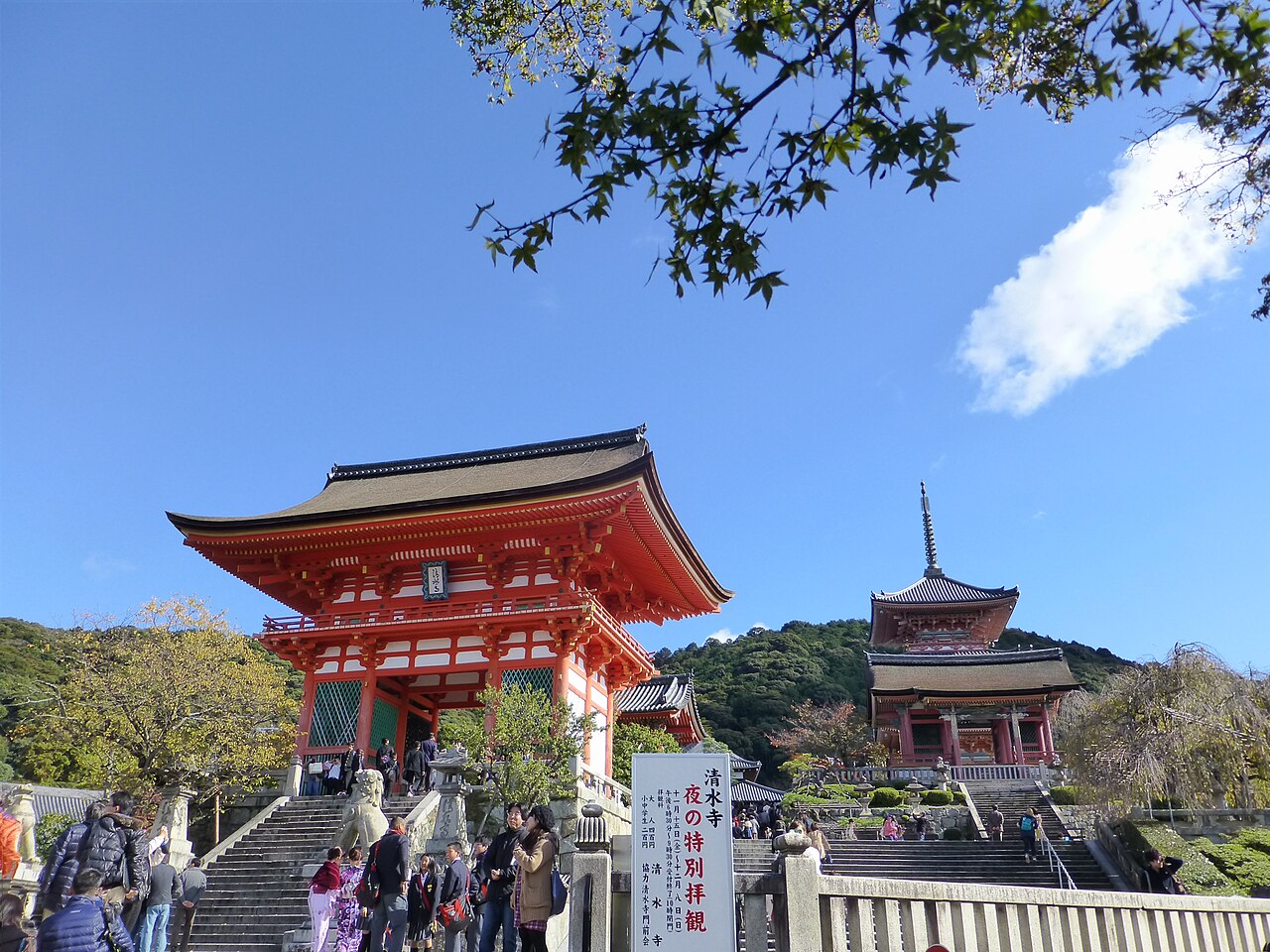
Start with the uphill section while you have energy. A useful rail route from Kyoto Station is JR Nara Line → Tofukuji → transfer to Keihan → Kiyomizu-Gojo. Check the stopping pattern shown for your train. From Kiyomizu-Gojo, the temple’s official access page gives approximately 25 minutes on foot to Kiyomizu-dera. This is an approach to a hillside temple, not a flat station-to-shopping-mall walk.
If stairs, heat or the uphill approach would undermine the day, take a taxi toward the permitted drop-off area instead. A taxi does not remove every slope or the final pedestrian section. Confirm the practical drop-off with the driver, especially during busy periods.
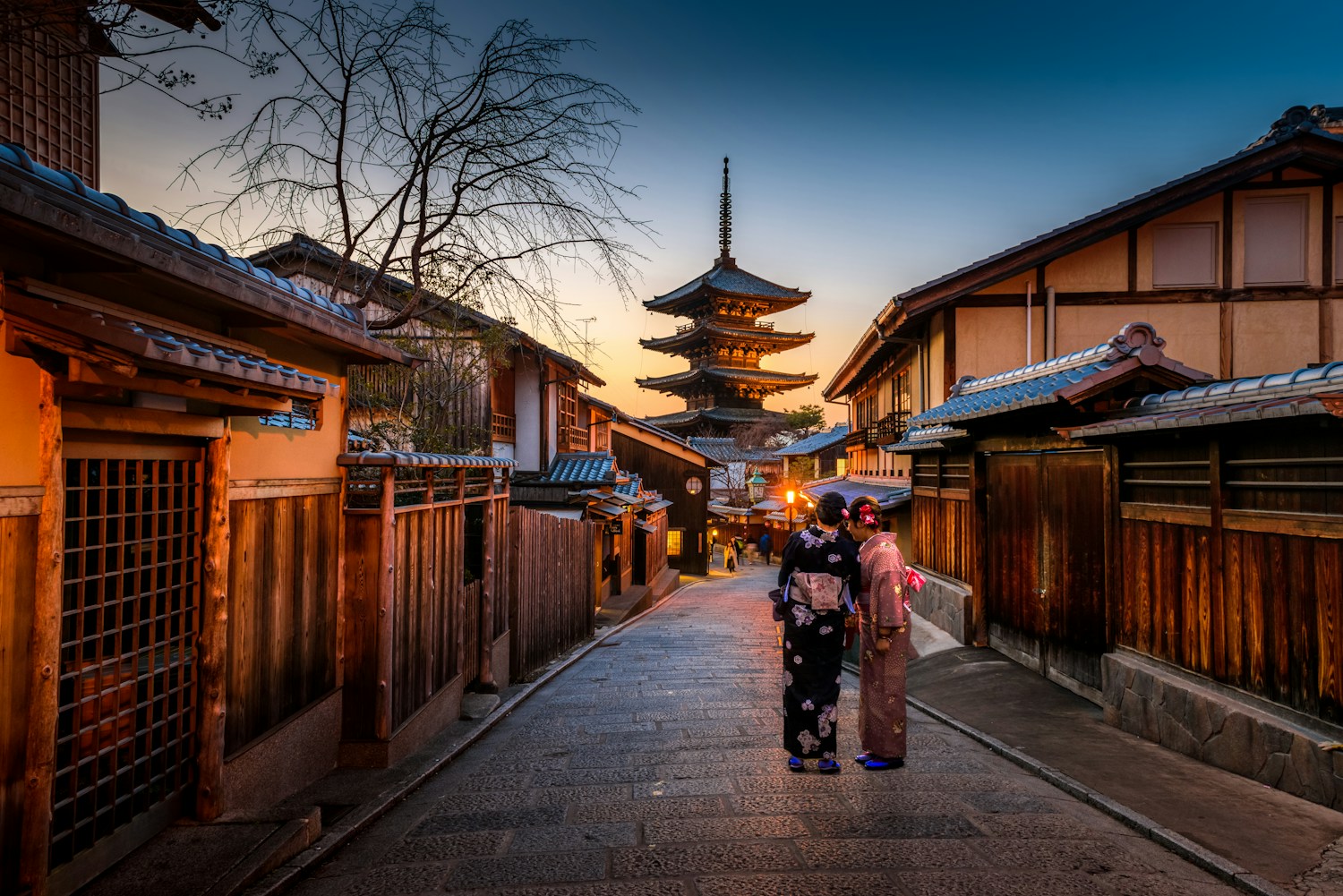
Allow roughly 90 minutes for the temple visit and views, then continue through Sannenzaka and Ninenzaka toward the Yasaka area. These lanes make more sense as part of a walking route than as separate taxi stops. Their appeal is the changing scale of the streets, shopfronts and hillside setting; leave time to stop instead of treating each photo position as a deadline. Check the temple’s own calendar for opening arrangements and special evening admissions on your dates.
Build lunch into this section of the day, then continue toward Yasaka Shrine and Gion if you are still comfortable walking. Finish near Gion-Shijo Station or take a taxi back. From Gion-Shijo, Keihan to Tofukuji and a transfer to JR provides a return toward Kyoto Station. You do not need to walk back uphill to your original starting point.
Suggested allocation: about five to six hours including the temple, lunch and unhurried walking. Keep a restaurant booking for later in the evening, after a hotel break. Photograph streets and buildings without blocking entrances; follow photography restrictions and treat people going about their work as people, not attractions.
Day two: Fushimi Inari, with a clear turning point
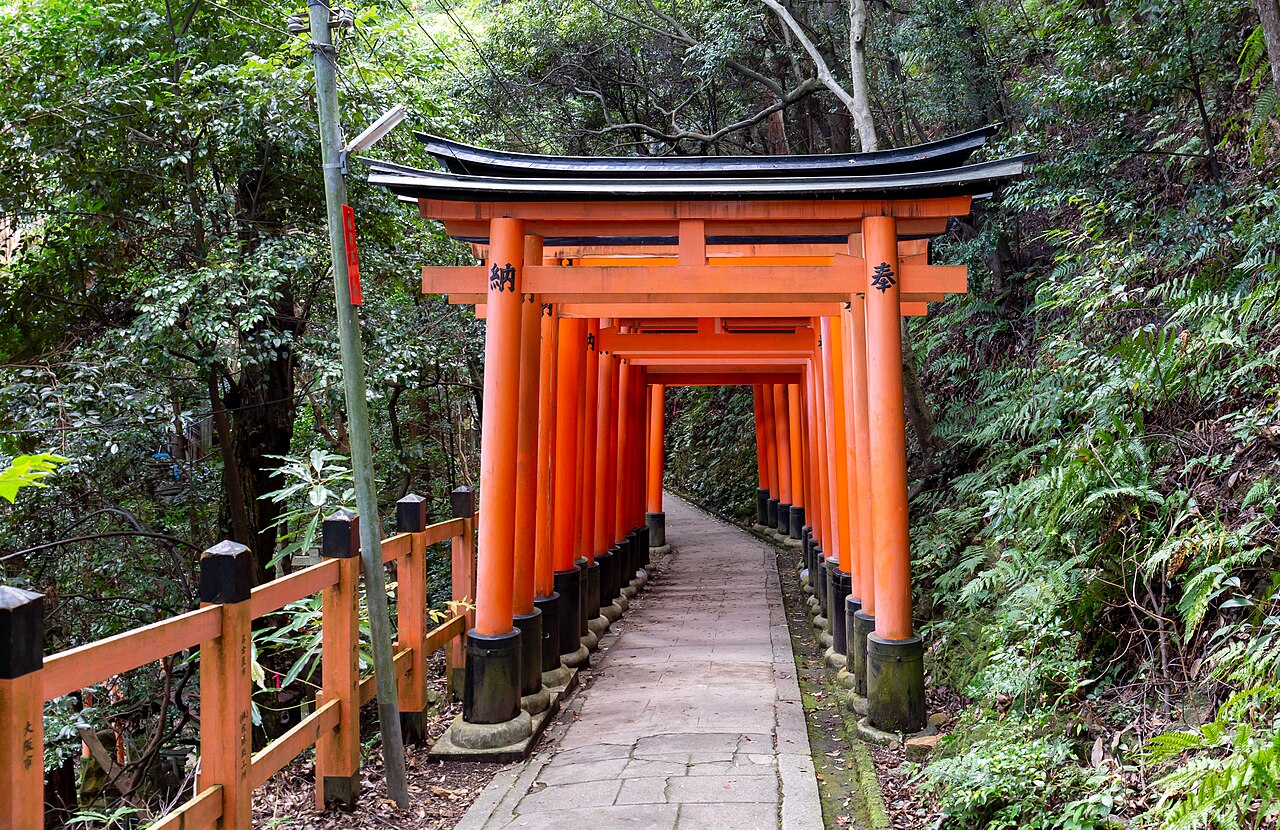
From Kyoto Station, use the JR Nara Line to Inari Station. The shrine entrance is immediately beside the station. If you are staying near Gion, Keihan Fushimi-inari Station is an alternative; the shrine’s access instructions place it about five minutes’ walk west of the grounds. JR Inari and Keihan Fushimi-inari are different stations. Save the one you intend to use for the return.
Fushimi Inari is a working shrine, and the torii-lined paths continue uphill beyond the familiar photographed section. Decide whether your visit is a lower-ground shrine visit or a longer mountain walk. For the former, allow approximately 90 minutes to two hours, explore the principal approach and torii paths, and turn back before the climb becomes the day’s main undertaking. The full mountain route needs more time and stamina; it is optional.
Go early if you want a less pressured start, while accepting that an early alarm cannot guarantee empty paths. Carry water, wear shoes with grip and avoid stopping across the full width of the torii passage. Observe the shrine’s visitor rules, including restrictions on eating and drinking outside designated areas.
Return to your hotel for lunch and a break, then use the afternoon for central Kyoto. This deliberately leaves a usable recovery period between two walking days. A reserved tea experience or a meal near your hotel fits better here than adding Arashiyama simply because the morning ended early.
Day three: Arashiyama beyond a bamboo photograph
From Kyoto Station, take the JR Sagano Line to Saga-Arashiyama. Follow signs to the Sagano platforms with time to spare: they are farther from parts of the station concourse than some other JR lines. Kyoto’s official area access guide recommends rail rather than a long cross-city bus ride. Do not confuse JR Saga-Arashiyama with the separate Hankyu and Randen stations named Arashiyama.
A workable walking sequence is Saga-Arashiyama Station → Tenryu-ji → the bamboo paths → the river and Togetsukyo Bridge. Tenryu-ji is approximately 13 minutes’ walk from the JR station according to the temple. Make the garden a proper visit: its pond, rock arrangements and mountain backdrop give you something to look at beyond a camera queue.
The Tenryu-ji admission page lists ¥500 for the garden for high-school age and above, with ¥300 extra for the buildings. Normal garden hours are 08:30–17:00, last admission 16:50; events and building closures can alter access. The temple’s garden guide explains how the surrounding mountains form part of its “borrowed scenery”. Look across the pond before walking through; the relationship between foreground and distant hills is the point.
For a specific lunch worth planning around, Shigetsu, the temple’s vegetarian restaurant, publishes a Yuki menu at ¥3,800, with a reservation at least two days in advance. Garden admission is separate. See the restaurant’s current menus and booking rules; do not assume a same-day table. Vegetarian food does not by itself establish halal suitability, so ask about ingredients and preparation if that matters to you.
Allow five to six hours for this area including lunch. If you add a sightseeing train or boat excursion, replace part of this walking plan and secure that activity’s own reservation. It is a different commitment from arriving by the ordinary JR line.
Which tickets are worth buying?
Kyoto’s Subway & Bus 1-Day Pass is ¥1,100 per adult and covers the listed subway and bus services, with route exceptions. It is not a blanket pass for JR, Hankyu or Keihan trains. The official pass guide is the place to check coverage before buying.
On the Arashiyama day above, your main journey is JR and the rest is mostly on foot. On the Inari morning, you may make only a return train journey. Neither automatically justifies a subway-and-bus pass. List the actual rides for that day, total their fares in the route planner and compare like for like. An IC card can simplify paying individual fares; it is not the same thing as unlimited travel.
For two adults, the quoted HARUKA product is ¥4,400 one way if both are eligible. Two Tenryu-ji garden tickets add ¥1,000; two Yuki lunches add ¥7,600. That is ¥13,000 for those named items, excluding local trains, the return airport journey, other admissions, hotels and other meals. These are selected costs, not a complete Kyoto budget.
Before booking, secure the hotel and airport plan, reserve any fixed meal or experience, and check opening calendars. Use Kyoto’s congestion forecast to adjust the order of your mornings. Keep the three areas separate and you can change the pace without having to rebuild the whole trip.