
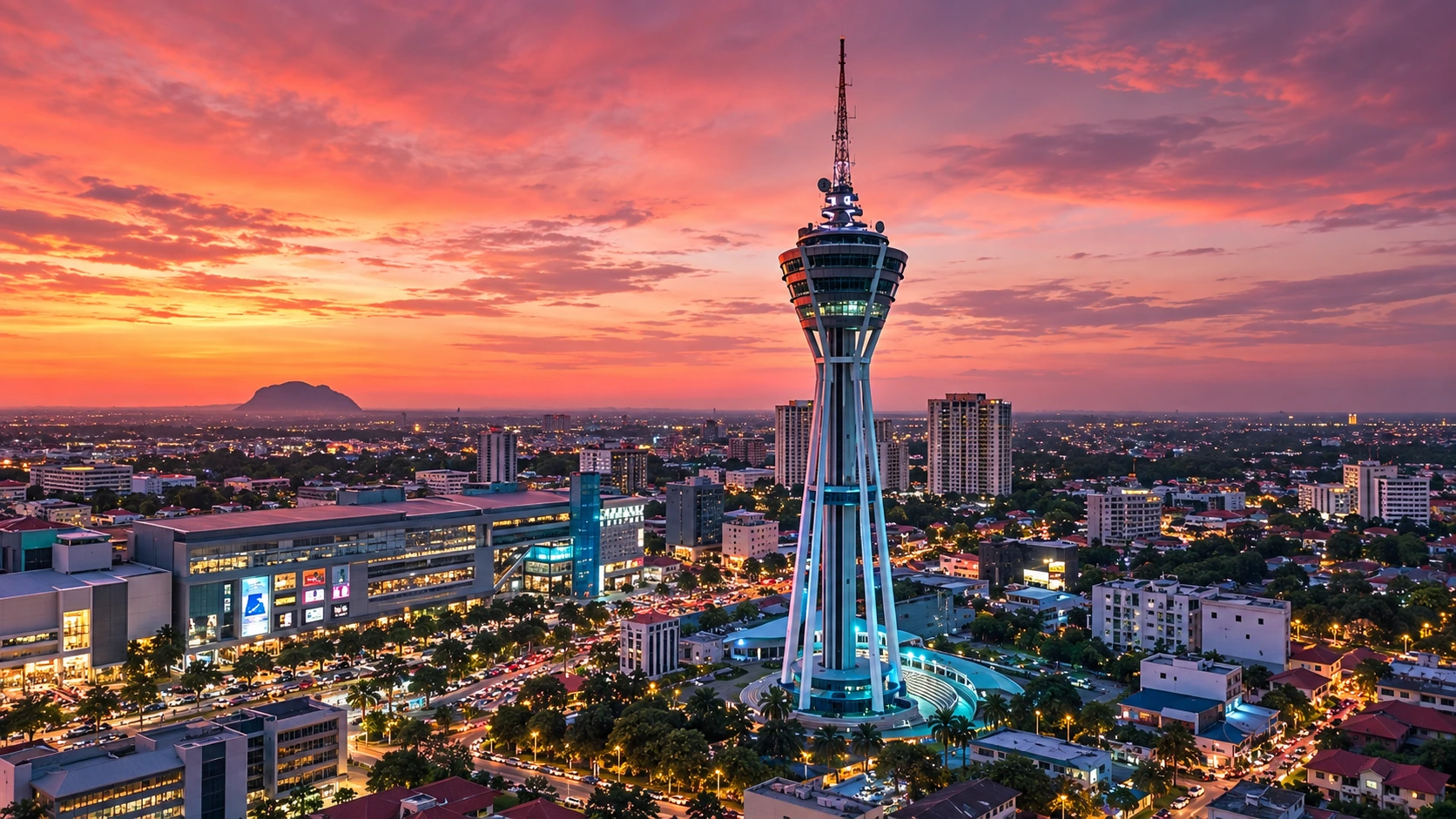
In this guide
Getting to Alor Setar
By plane: fly directly into Alor Setar
The most straightforward option from Kuala Lumpur is to fly to Sultan Abdul Halim Airport (AOR). AirAsia and Malaysia Airlines serve the route. Allow around an hour for the flight, and check the departure airport and terminal when booking. [1] [2]
For planning, allow roughly 20–30 minutes by road from the airport to central Alor Setar, depending on traffic and your destination. A rental car or an arranged driver makes this particular itinerary easier because the countryside stops are separate from the central heritage district.
By car: make it part of a northern road trip
Alor Setar can be reached via the North–South Expressway. As a planning allowance, set aside around five to six hours from Kuala Lumpur or 1½–2 hours from George Town, Penang. Add time for longer breaks or heavy traffic; these are estimates, not guaranteed journey times.
To follow the full day without rushing, arrive the evening before or stay nearby. Driving from Kuala Lumpur that morning would leave less time for the city itself.
Coming from Langkawi? Return via Kuala Kedah
Alor Setar also works as an extension to a Langkawi holiday. Fly from Kuala Lumpur to Langkawi, spend time on the island, then take the ferry from Kuah to Kuala Kedah before continuing to Alor Setar. Select Kuala Kedah—not Kuala Perlis—when booking the mainland arrival, and check sailings for the actual date. [3]
Allow roughly 20–30 minutes by road from Kuala Kedah to central Alor Setar. An afternoon ferry arrival is better suited to an evening in the city followed by sightseeing the next morning, rather than squeezing this entire guide into the remaining daylight.
Masjid Zahir: begin with the city’s landmark mosque
With its dark domes and pale façade, Masjid Zahir makes a distinctive starting point for the heritage walk. Allow time to appreciate the building rather than treating it as a photograph taken from the roadside. [4]
As this is a functioning mosque, dress modestly, avoid interrupting prayers, and ask staff which areas visitors may enter.
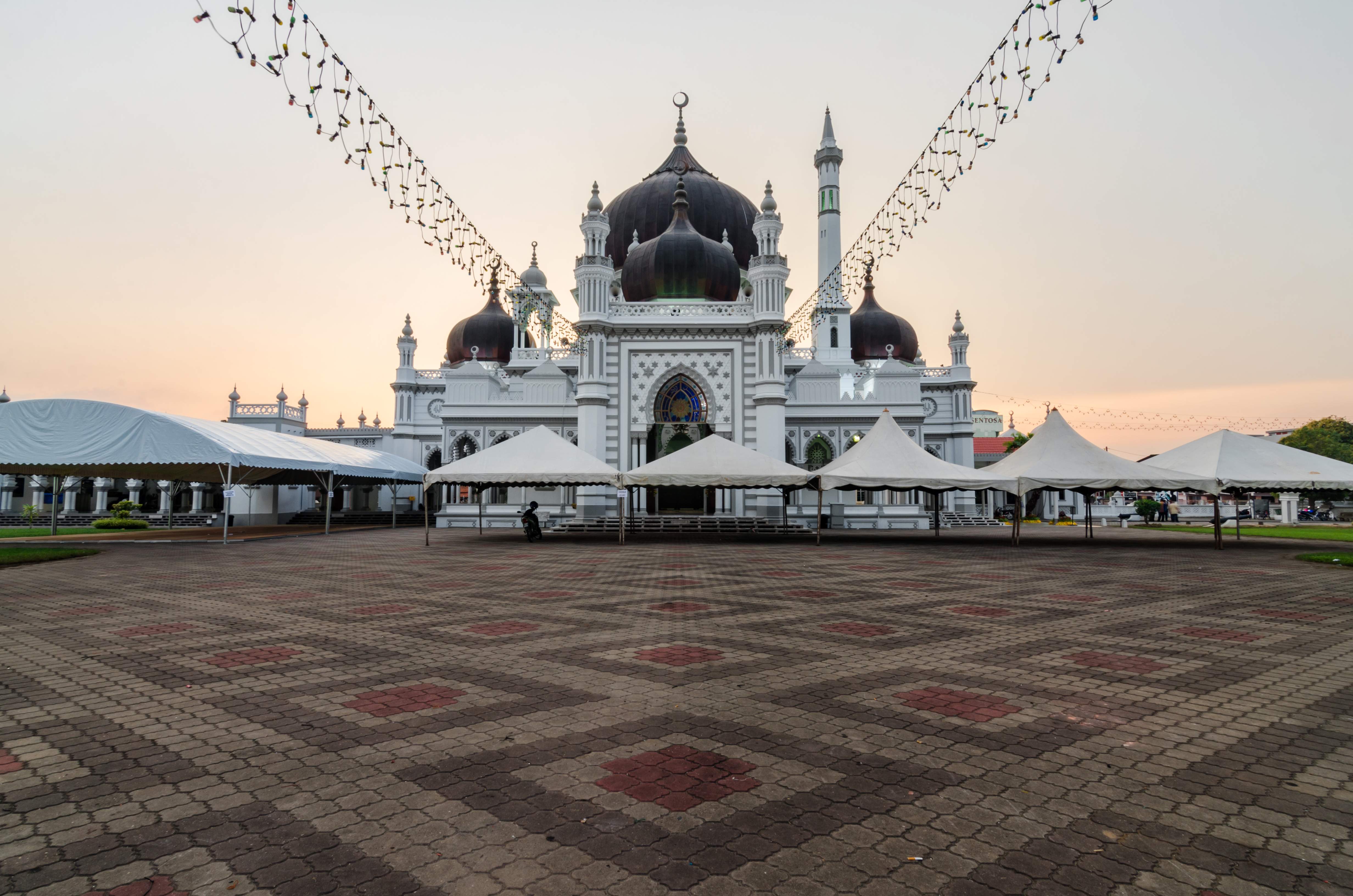
Image source · CC BY-SA 4.0 · Unedited original.
Balai Nobat: the tower behind Kedah’s royal music
Continue to Balai Nobat, the tower associated with Kedah’s royal ceremonial music. It houses instruments used for royal occasions; it is not simply a decorative clock tower or a venue with regular tourist performances. An exterior visit gives useful context to the historic buildings around it. [5]
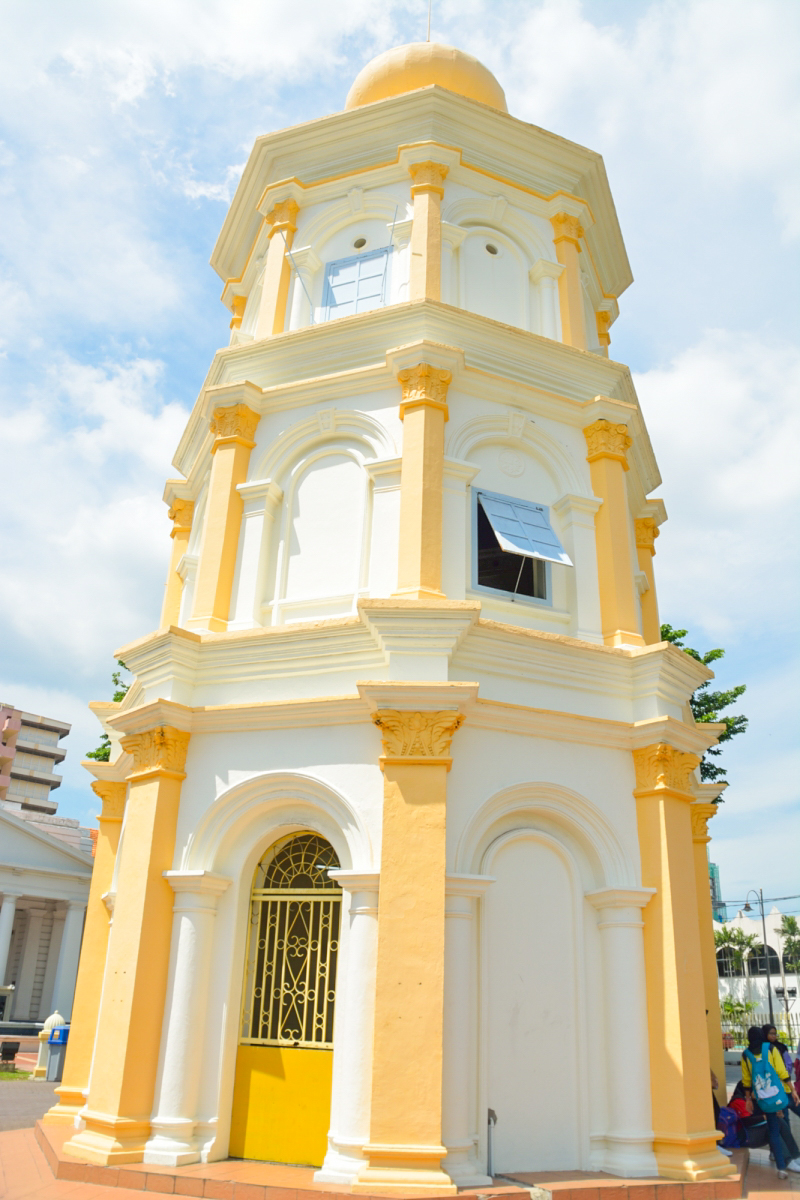
Image source · CC BY-SA 4.0 · Unedited original.
Balai Besar: continue the heritage walk
Include nearby Balai Besar in the same walk. Together with Masjid Zahir and Balai Nobat, it introduces the royal and ceremonial history of central Alor Setar without requiring another drive across town. Check access before assuming the interior is open to visitors. [6]
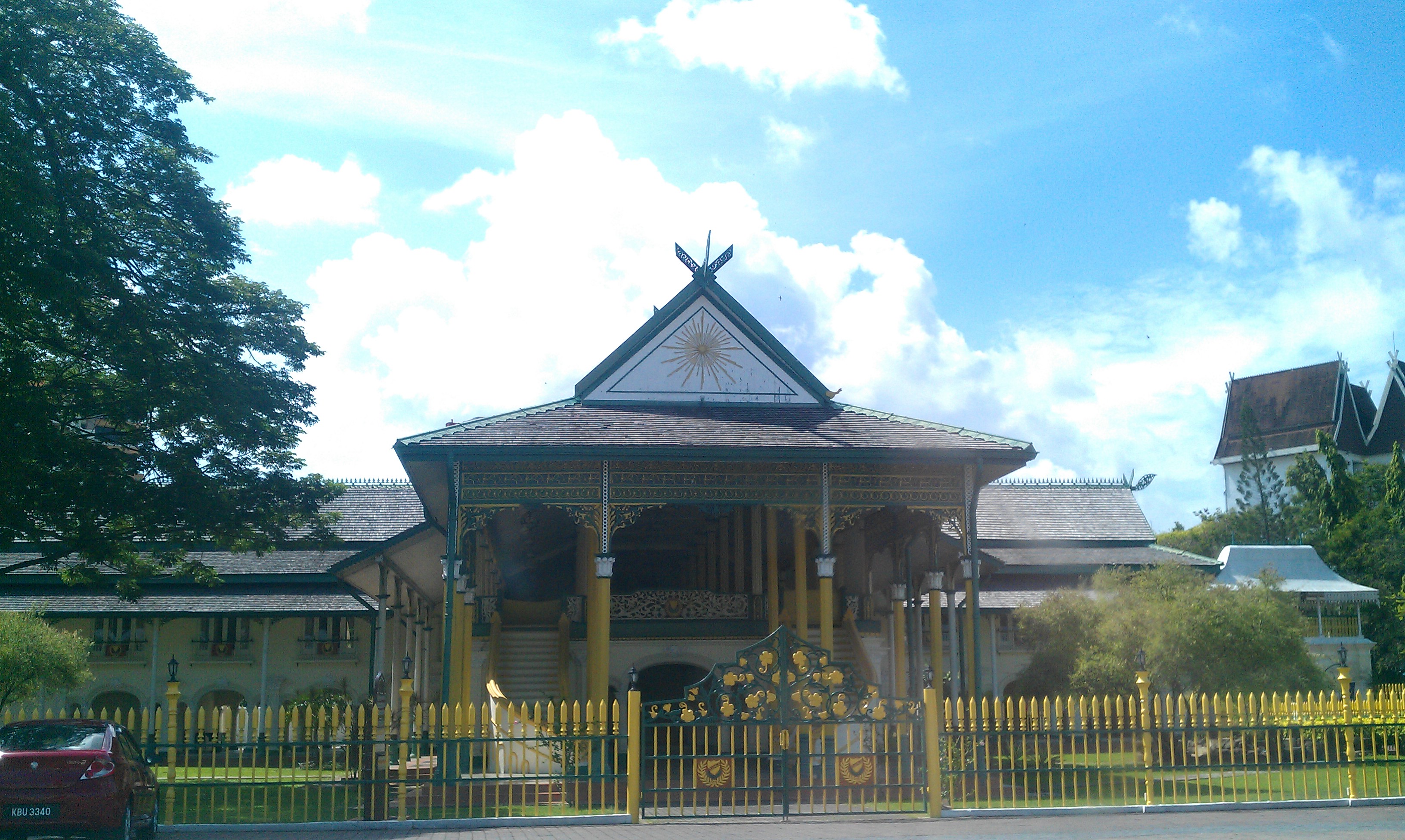
Image source · CC BY 3.0 · Unedited original.
Pekan Rabu: browse local food and products
Despite its name—literally “Wednesday Market”—Pekan Rabu is not just a Wednesday market. The trading complex brings together local food products, traditional clothing and handicrafts, making it a useful stop for browsing and buying something to take home. [7]
Look for traditional kuih, packaged snacks and pekasam. Individual stalls may keep different hours, so leave some flexibility rather than planning around one particular seller. [7]
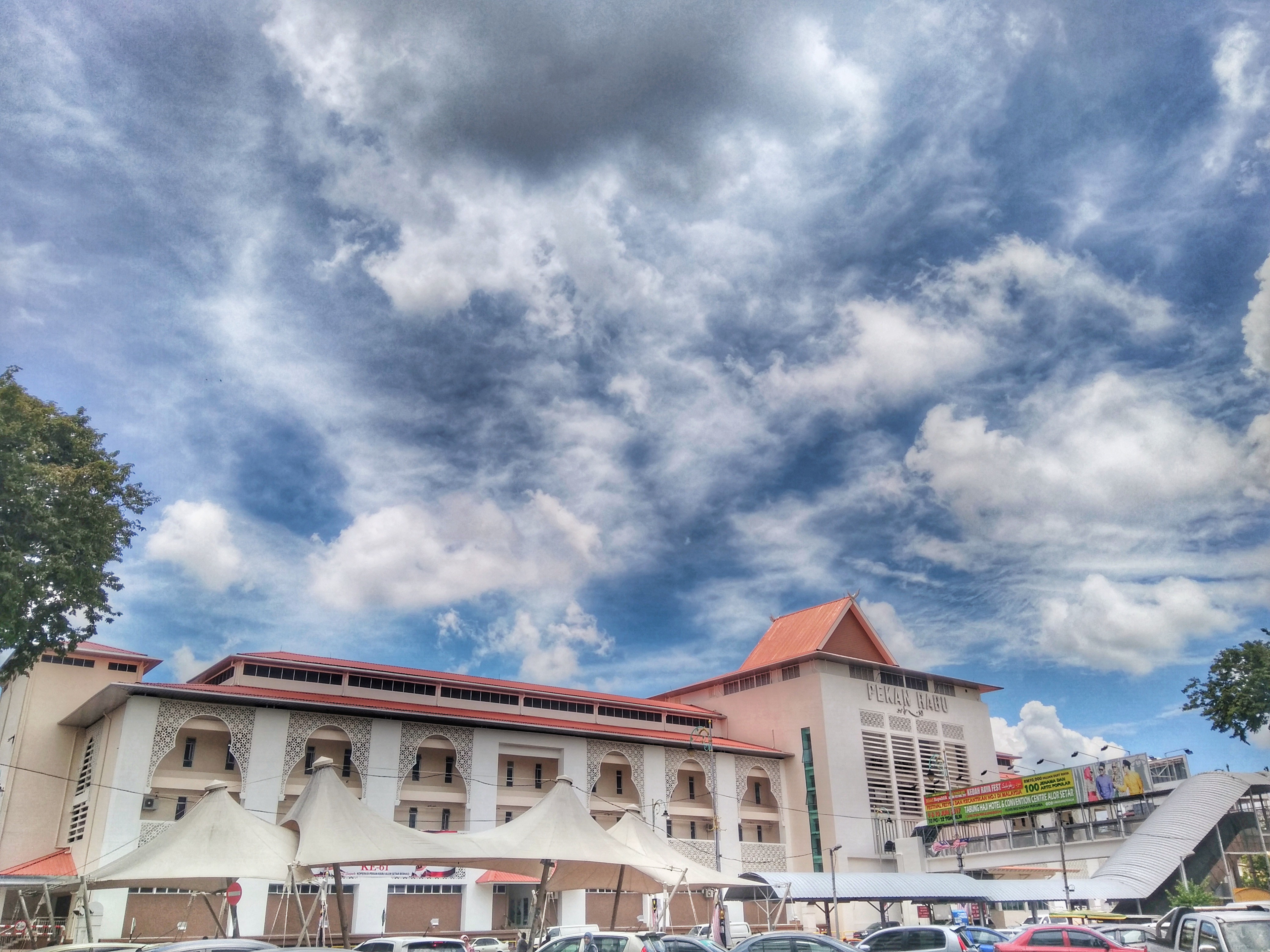
Image source · CC BY-SA 4.0 · Unedited original.
Rumah Kelahiran Tun Dr. Mahathir: an early-life history stop
The preserved birthplace introduces Tun Dr. Mahathir Mohamad’s early life and family background through the house and its displays. It offers a more domestic setting than the ceremonial buildings in the city centre. [8]
Check the National Archives’ current visiting days before setting off; do not assume that all attractions follow the same weekly schedule.
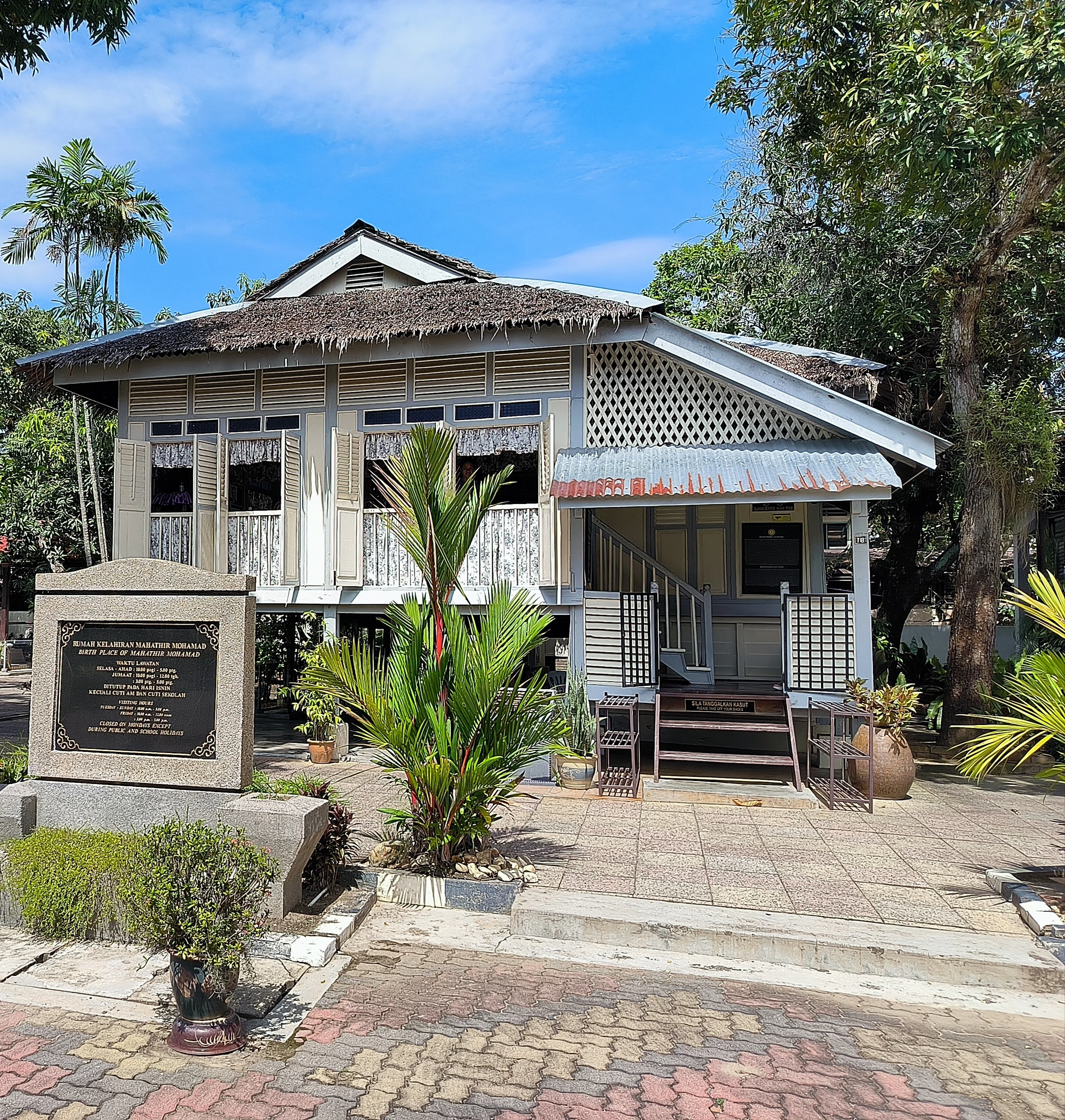
Rumah Kelahiran Tun Dr. Mahathir: Dua Lifa, 2023 · public domain.
Masjid Al-Bukhary: blue domes, palms and a reflecting pool
Masjid Al-Bukhary, also listed as Masjid Alor Malai, is on Jalan Langgar. It deserves its own stop even if you have already visited Masjid Zahir. Here, the pale facade, patterned blue dome and palm-lined courtyard create a very different setting. Stand back along the central water feature to take in the entrance and its reflection, rather than framing only the dome. [17]
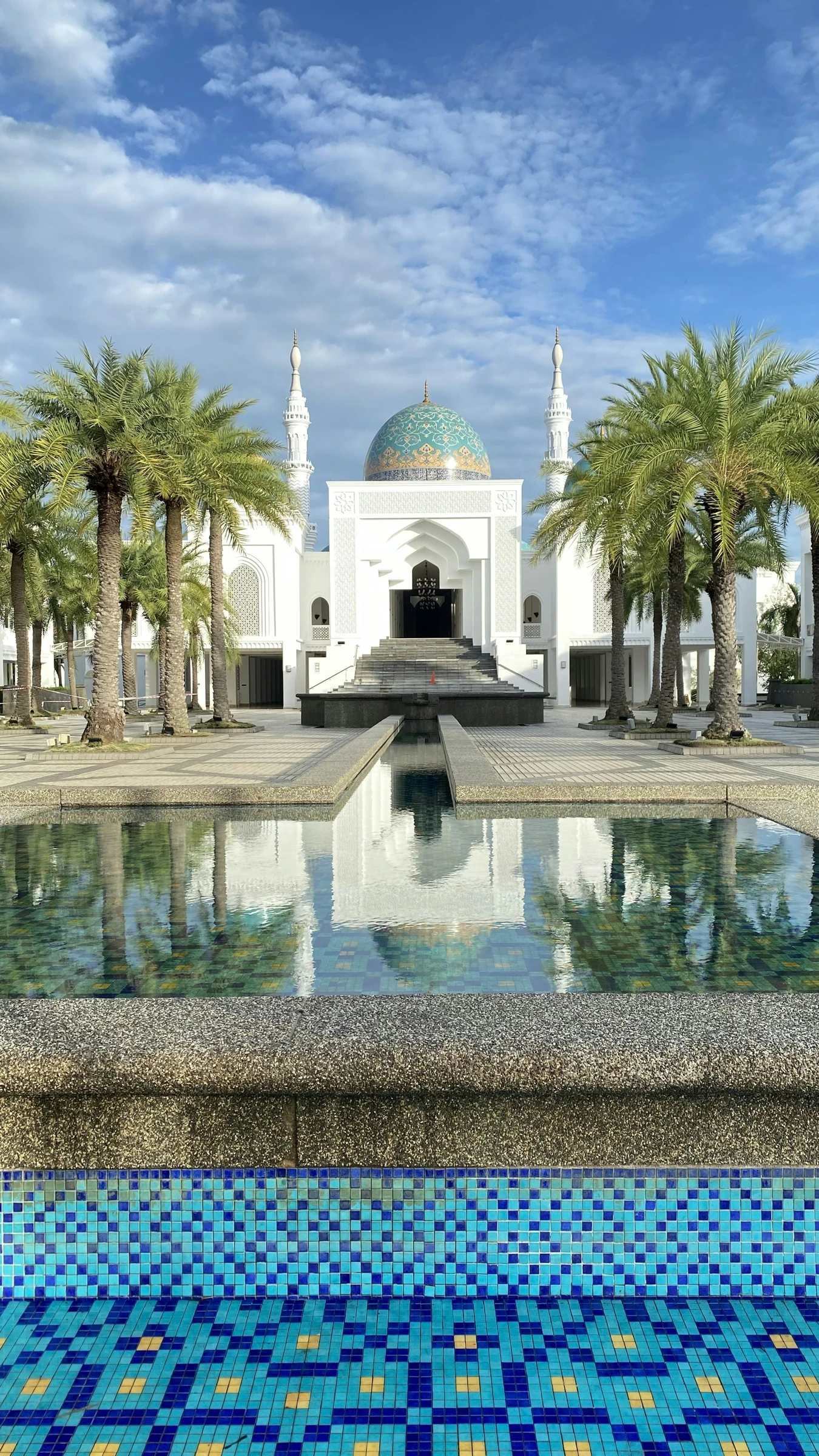
There is more to the visit than the courtyard photograph. The Islamic Tourism Centre highlights the mosque’s seven blue domes and its gallery, which traces the site’s development from Masjid Alor Malai to the present mosque. Ask the mosque team whether the gallery is open during your visit; special open-day programmes should not be treated as everyday visiting hours. [18]
How to fit it into one day: use a car or an e-hailing ride from the heritage quarter, and place this stop after Rumah Kelahiran Tun Dr. Mahathir, before lunch around Jalan Langgar. We suggest allowing 30–45 minutes for a relaxed exterior and courtyard visit; this is a planning allowance, not an official visiting slot. Use the Masjid Albukhary map pin so you do not head back to Masjid Zahir by mistake.
This is an active place of worship. Dress modestly, follow signs and staff instructions, and ask before entering prayer areas. If you are not visiting to pray, avoid congregational prayer periods, especially the busy Friday prayer period. Non-Muslim visitors should check with the mosque team which areas are accessible. If your arrival clashes with prayers, have lunch first and return when the team advises.
Muzium Padi: understand the landscape beyond the city
Muzium Padi, near Gunung Keriang, explores rice cultivation, agricultural technology and the culture surrounding paddy farming. Its location connects the museum’s subject to the surrounding landscape. [9]
Confirm current access with the museum authority before planning an indoor visit. If it is unavailable, keep the Gunung Keriang countryside stop and adjust the afternoon accordingly.
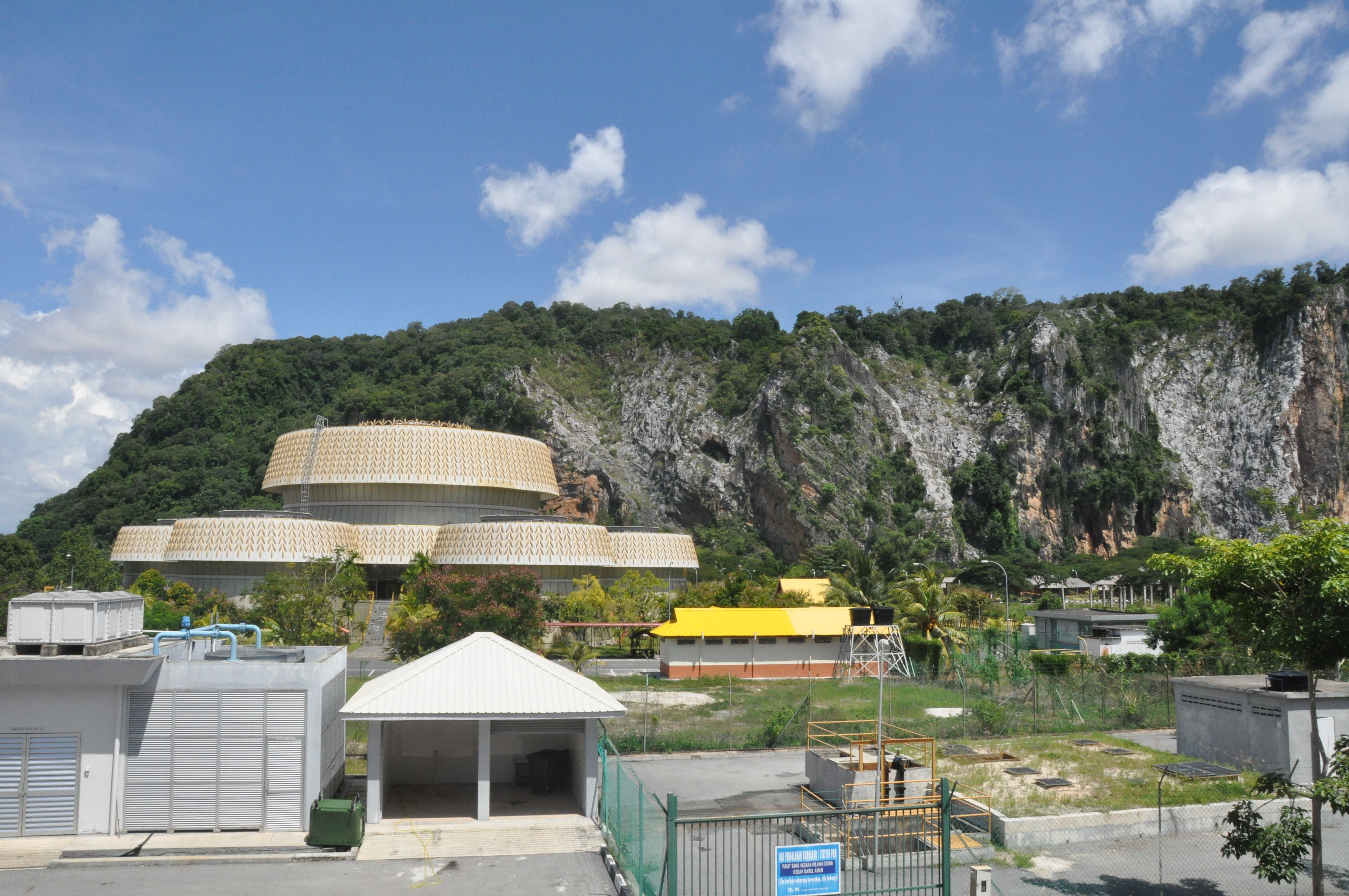
Image source · CC BY-SA 2.0 · Unedited original.
Gunung Keriang: a countryside detour
Leave room for a short detour around Gunung Keriang. The surrounding paddy fields change with the growing cycle, so a green or golden view cannot be guaranteed throughout the year. Stop only where parking is permitted and do not enter working fields without permission. [9]
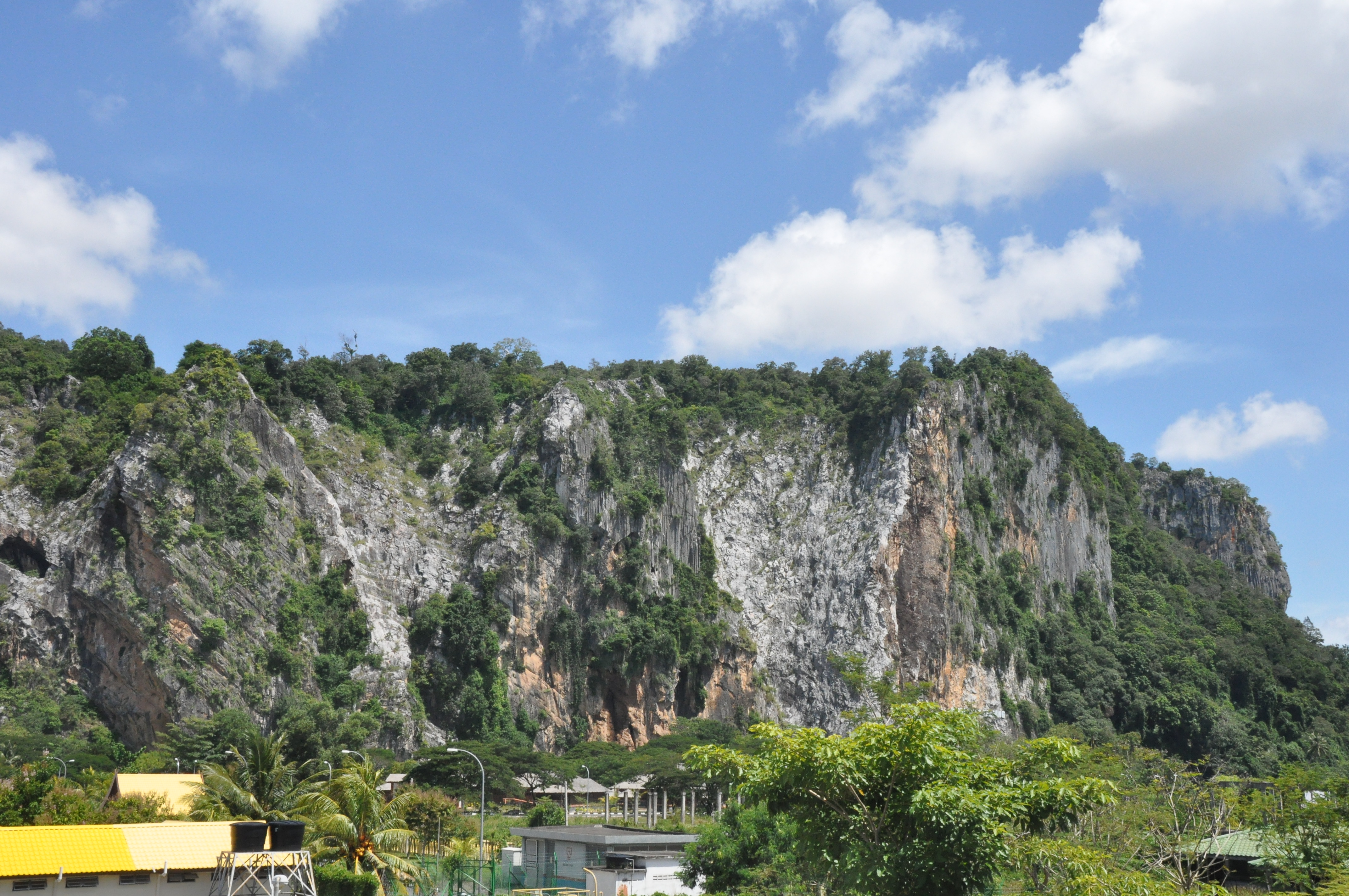
Image source · CC BY-SA 2.0 · Unedited original.
Menara Alor Setar: city views and a revolving restaurant
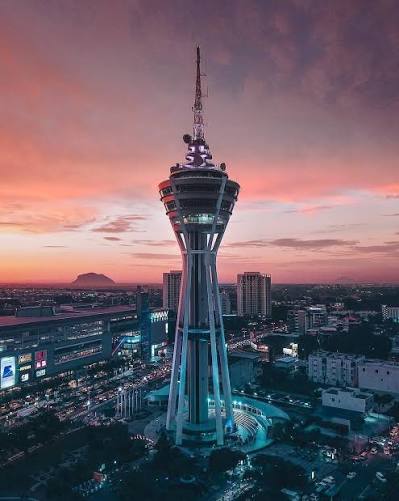
Don’t just photograph Menara Alor Setar from the ground. Head up to the observation deck at 88 metres for a wider view of the city and its surrounding landscape. For another perspective, Star View at 105 metres combines an open-air deck with glass viewing boxes. [10] [11]
The tower also has a revolving restaurant at the 94-metre level, listed on its official website as Starsky Restaurant & Lounge. It brings a different dimension to the visit: dining above the city as the view gradually changes around you. Confirm current restaurant operations and dining availability before planning a meal here. [12]
For this itinerary, make the viewing deck your late-afternoon sightseeing stop, then continue to Beranda for the evening.
Restoran Mee Abu: a noodle stop on Jalan Sultanah
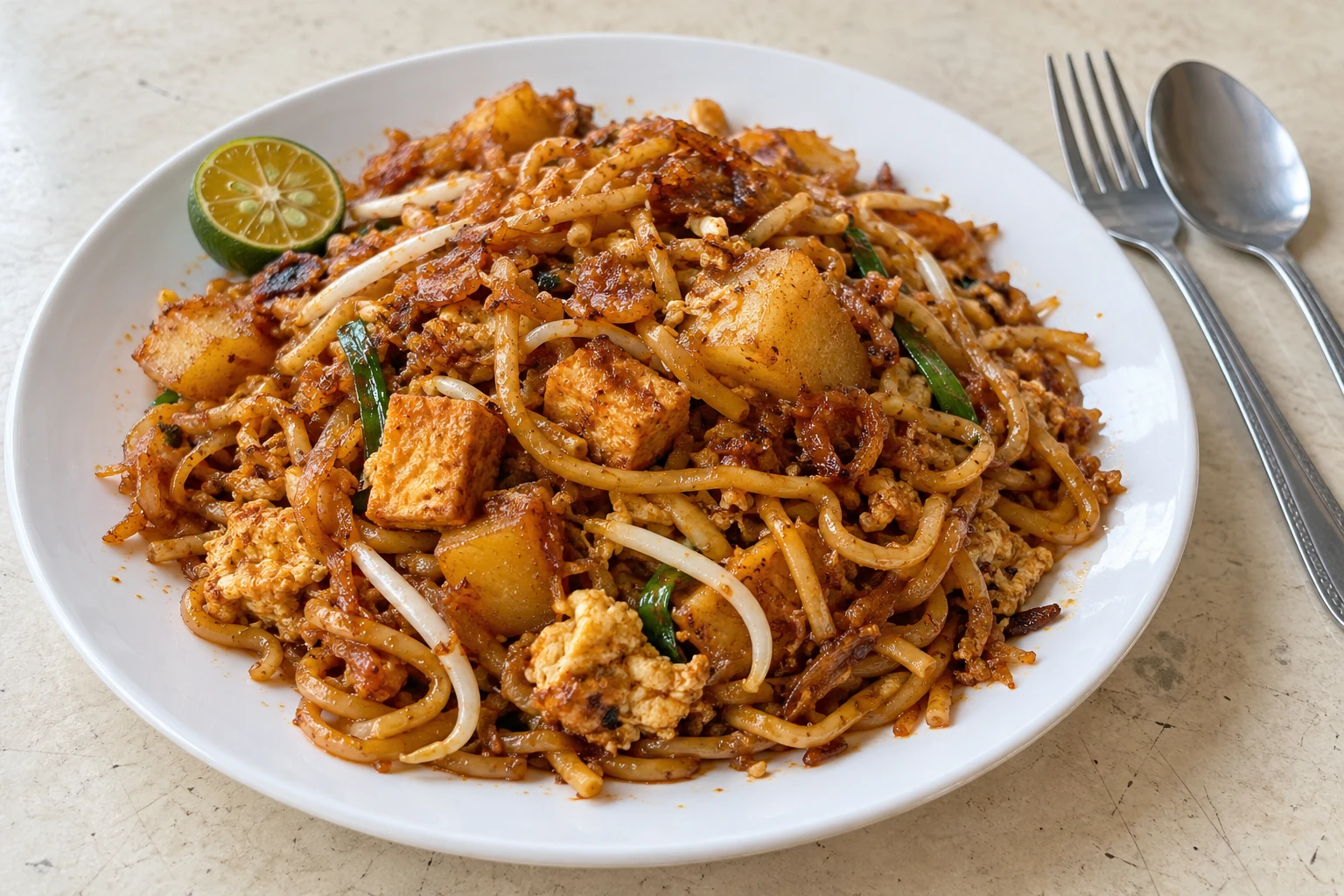
For a local noodle meal, consider Restoran Mee Abu on Jalan Sultanah, with mee goreng and mee rebus among the dishes associated with the restaurant. It can work as an early stop before the heritage walk rather than another large meal later in the day. Check the current opening day and time before setting out. [14]
Kak Faizah Selera Kampung: proper kampung cooking at seriously affordable prices
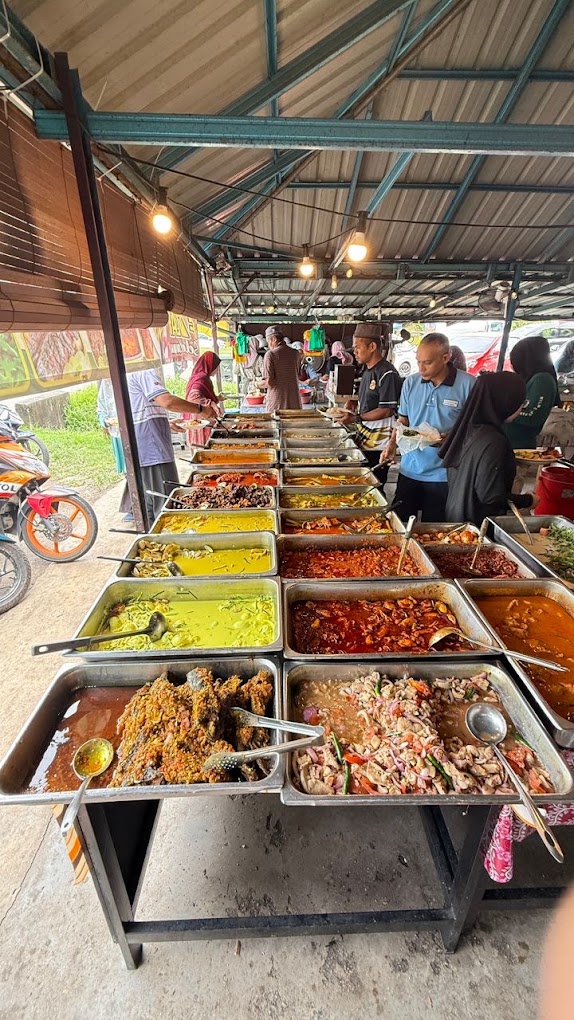
For lunch, head to Kak Faizah Selera Kampung, near Hospital Sultanah Bahiyah. Our recommendation here is about both the authentic taste and the remarkably affordable prices—a proper Malay kampung meal without a big bill.
The menu spans more than 50 Malay dishes, with plenty to explore beyond a familiar plate of rice and chicken. Look out for siput sedut, clams, homemade sambal belacan, and a variety of ulam and traditional kampung dishes. For visitors unfamiliar with Malay cooking, ulam refers to the fresh herbs and vegetables eaten alongside the meal, while sambal belacan is a chilli condiment made with shrimp paste.
Take a look along the entire counter before choosing your lauk. This is a chance to try dishes you might otherwise overlook, particularly siput sedut, rather than defaulting to the same order. Add rice, a few dishes to share, and some ulam with sambal belacan for a lunch worth making time for. The available selection may vary, so treat these as dishes to look out for rather than a fixed daily menu.
Nasi Lemak Royale Jalil: another local option
For another meal option, consider Nasi Lemak Royale Jalil. Its yellow rice and accompanying curries offer a different style from the white coconut rice and sambal many visitors first associate with nasi lemak. [15]
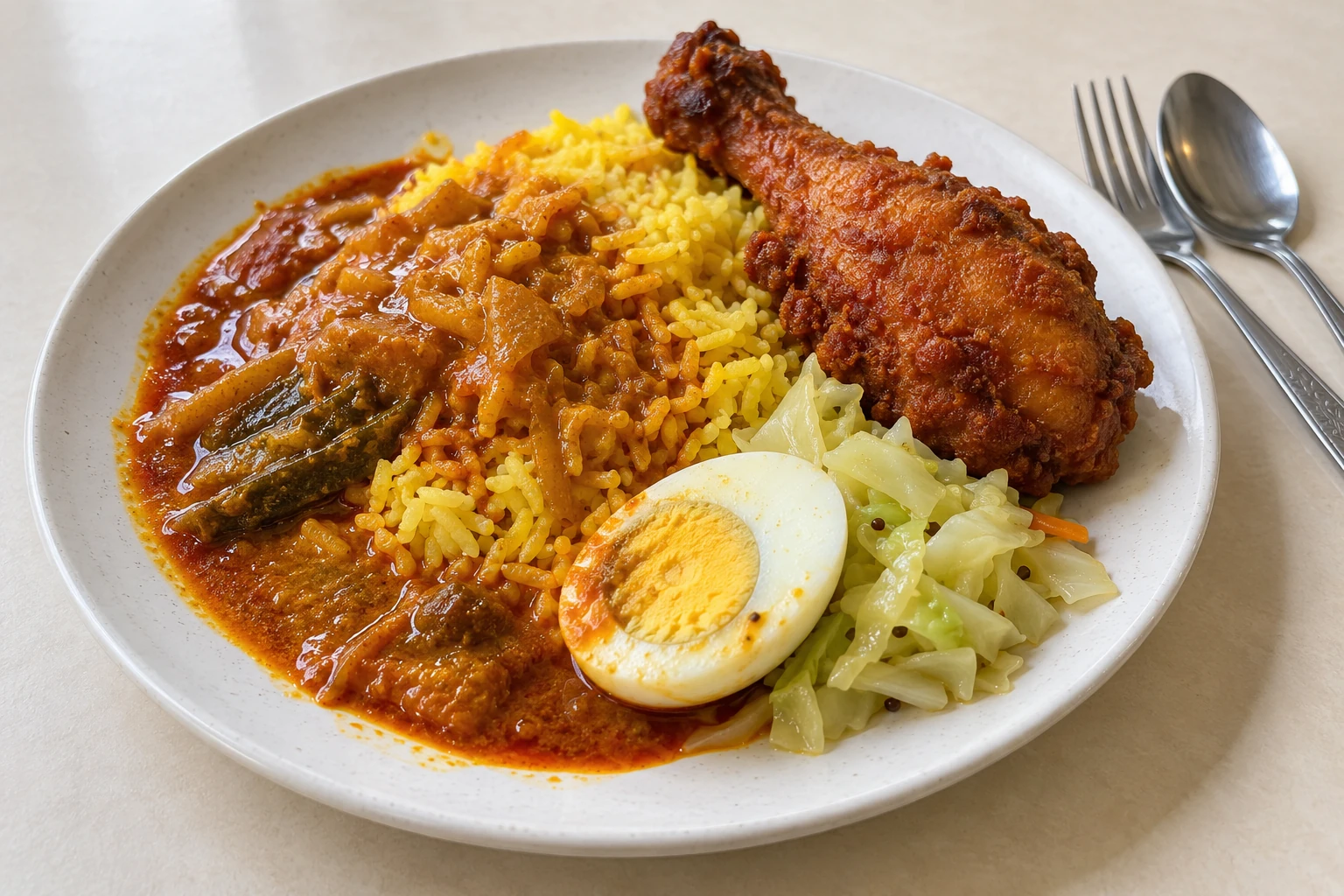
Treat it as an alternative according to your appetite and the opening hours of your chosen outlet; there is no need to fit every restaurant into one day.
A suggested one-day route
These are suggested visit times, not attraction opening hours. The plan assumes you are already in Alor Setar in the morning and have transport for the outlying stops. Swap the mosque and lunch stops if prayers are underway. If you prefer a slower pace, choose either the Mahathir birthplace or Muzium Padi rather than squeezing in both.
| Time | Plan |
|---|---|
| 8:00 am | Breakfast; Mee Abu is an option when open. |
| 9:00 am | Masjid Zahir, Balai Nobat and Balai Besar. |
| 10:15 am | Browse Pekan Rabu. |
| 11:15 am | Rumah Kelahiran Tun Dr. Mahathir, subject to opening day. |
| 12:00 noon | Masjid Al-Bukhary, outside prayer periods. |
| 12:45 pm | Lunch at Kak Faizah Selera Kampung. |
| 2:00 pm | Gunung Keriang area; include Muzium Padi only if access is confirmed. |
| 4:00 pm | Menara Alor Setar viewing deck. |
| 6:30 pm onwards | Coffee or dinner at Beranda. |
End the day at Beranda
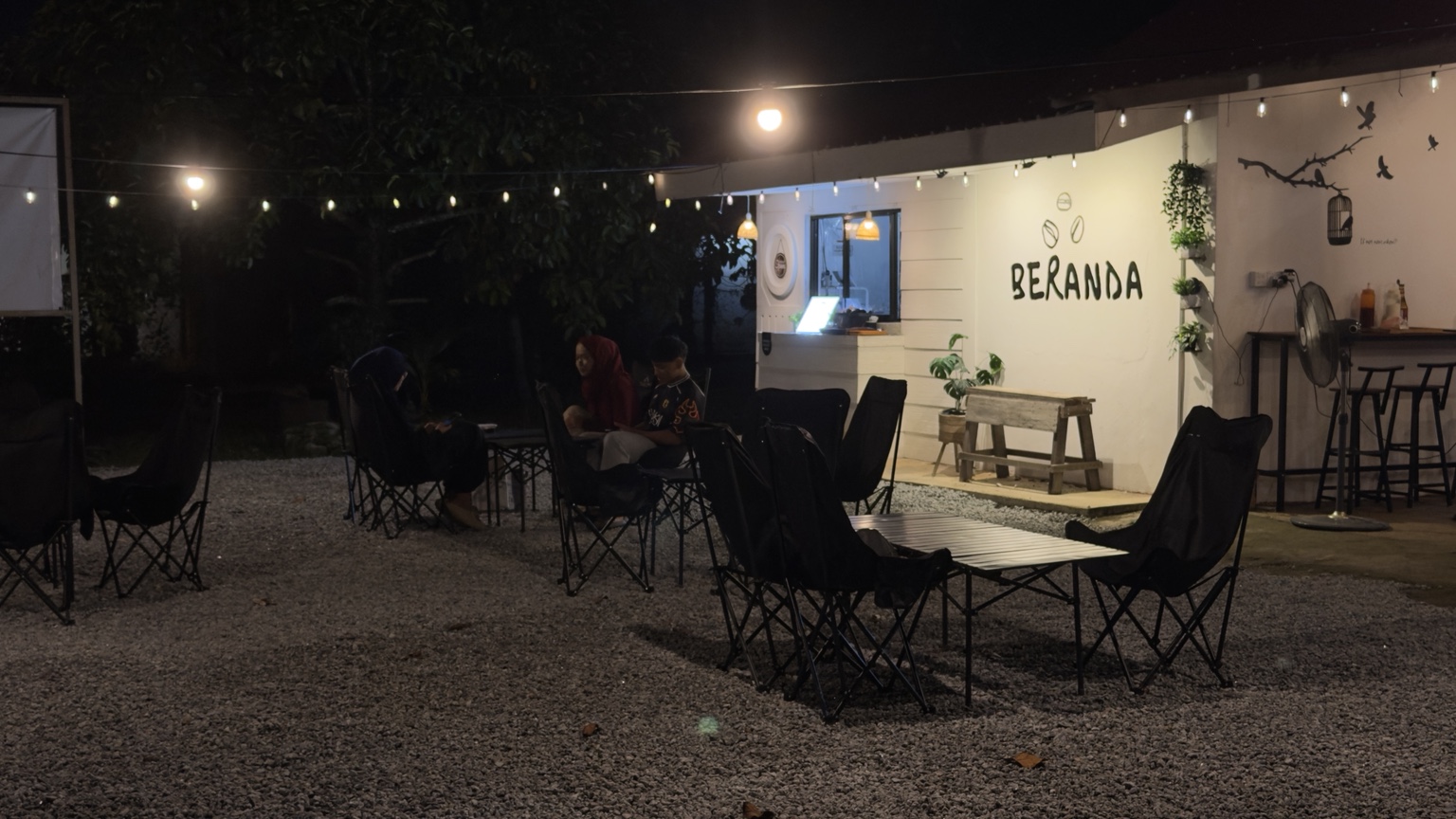
For the final stop, leave the central sightseeing route and allow approximately 30 minutes’ drive to Beranda Coffee in Kampung Tualang, Pokok Sena, depending on traffic and your departure point.
Beranda has outdoor seating and an evening menu that includes Spanish Latte, Matcha Strawberry and Spaghetti Creamy Tomyam. Come for a drink after an earlier meal, or make it your dinner stop. The café lists daily opening hours of 6 pm–11 pm. [16]
Arrange your return transport before settling in, particularly when travelling without your own car. After the mosque, royal landmarks, market and city views, let the last stop be the one without another attraction waiting after it: a table, something to eat or drink, and an evening in the kampung.

.jpg)


_(8).jpg)
.jpg)
.jpg)
The conversation
Questions, tips & experiences.
Have a question about this guide, or a useful travel tip? Every comment is reviewed before it appears.
0 comments
Be the first to share a question or a helpful tip.